


Can endometrial polyps affect pregnancy?
Jul 06, 2022
Source: Cainiu Health

Dr. Wang Lianlian
Introduction
If the polyp is less than 1 cm in size and few in number, it generally does not affect pregnancy. However, larger polyps—exceeding 1 cm—or multiple polyps may increase the risk of infertility or miscarriage. For patients experiencing infertility or recurrent miscarriage, hysteroscopic evaluation is recommended. If endometrial polyps are identified, pregnancy should be deferred until after surgical removal.
Uterine polyps are localized hyperplasias of the basal layer of the endometrium, projecting into the uterine cavity on a stalk. They may cause irregular vaginal bleeding, light spotting before or after menstruation, menorrhagia (excessively heavy menstrual flow), and prolonged menstrual periods.
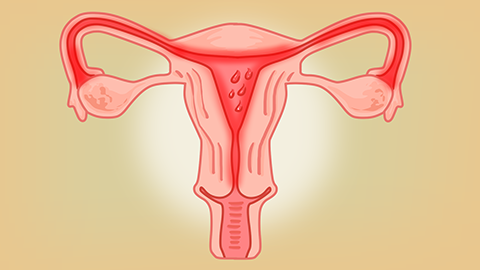
However, if the polyps are relatively large—greater than 1 cm in diameter—or numerous, they will undoubtedly impair fertility.
In particular, as polyps progressively increase in size or number, their location becomes critically important. Polyps situated at the internal cervical os may impede sperm entry into the uterine cavity. If located near the tubal ostia, they may interfere with sperm-egg interaction. When present within the uterine cavity, endometrial polyps compromise endometrial receptivity for the blastocyst, potentially hindering embryo implantation. Even if implantation occurs, the polyp tissue differs structurally and functionally from normal endometrium, possibly resulting in inadequate blood supply to the developing embryo—thereby increasing the risk of embryonic arrest and miscarriage.
Thus, endometrial polyps can adversely affect fertility and increase the risk of infertility or miscarriage. For patients experiencing infertility or recurrent pregnancy loss, hysteroscopic evaluation is recommended. If endometrial polyps are identified, surgical removal is advised prior to attempting conception.


