


Causes of Retroverted Uterus
Jul 06, 2022
Source: Cainiu Health

Dr. Wang Lianlian
Introduction
Causes of retroverted uterus:
- Inflammation, which may lead to adhesions between the uterus and rectal tissues, pulling the uterus backward;
- Congenital uterine hypoplasia, resulting in laxity of the uterine ligaments;
- Sleeping position—prolonged supine sleeping may cause gradual posterior tilting of the uterus due to gravitational forces;
- Induced abortion, which inflicts significant physical trauma on women; inadequate post-abortion care.
Retroverted uterus is relatively common in clinical practice. In this condition, the longitudinal axis of the uterus remains unchanged, but the entire uterus tilts backward—termed “uterine retroversion”—causing the cervix to tilt upward. As a result, the cervix may not be adequately immersed in the seminal pool, potentially impairing conception.
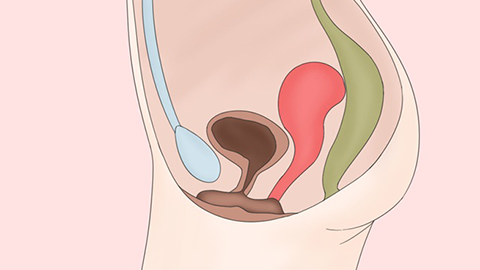
1. Inflammation: Gynecological infections (e.g., endometritis or salpingo-oophoritis) may cause adhesions between the uterus and adjacent structures such as the rectum, pulling the uterus posteriorly.
2. Congenital uterine hypoplasia: Some women are born with underdeveloped uteri, resulting in abnormally lax uterine ligaments that predispose the uterus to positional shifts—including retroversion.
3. Sleeping posture: Prolonged supine sleeping may contribute to gradual uterine retroversion due to gravitational effects. Adjusting sleep position often allows for gradual correction.
4. Effects of induced abortion: Induced abortion imposes significant physical stress on the female reproductive system. Repeated abortions or inadequate post-abortion care may increase the risk of developing a retroverted uterus.


