


What should I do if my uterus is small? How is it treated?

Uterine size varies among women; some women have an abnormally small uterus, which may affect menstruation or fertility. So, what should be done—and how is it treated—if the uterus is small?
What to Do and How to Treat a Small Uterus
A small uterus can be categorized into two types. The first is a physiologically small uterus due to congenital factors—this is a normal anatomical variation that does not impair uterine function. No treatment is required in such cases. However, a pathologically small uterus is typically caused by congenital underdevelopment. If a small uterus is identified during adolescence, clinical intervention may be appropriate—for example, combined estrogen-progestogen therapy, which may promote uterine growth under hormonal stimulation.
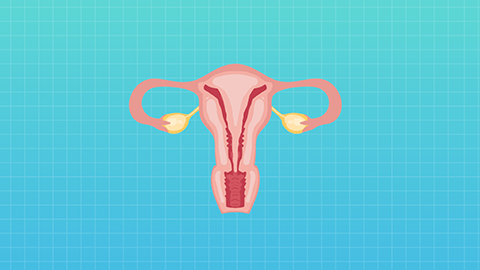
In adult women, pharmacological enlargement of the uterus is highly unlikely. During menopause, the uterus gradually atrophies due to declining ovarian function—a natural physiological process requiring no specific treatment, particularly when childbearing is no longer desired.

Women with a small uterus must exercise caution and avoid conceiving without medical guidance. An excessively small uterus may compromise fetal development and restrict fetal growth. Therefore, women with a small uterus should consult a healthcare provider for thorough evaluation and follow personalized medical advice before attempting pregnancy. Additionally, maintaining regular sleep patterns and a balanced diet is essential for these women. We hope this information is helpful. Wishing you good health and happiness!


