


What are the causes by which uterine malformations affect infertility?
Jul 06, 2022
Source: Cainiu Health

Dr. Wang Lianlian
Introduction
Causes of infertility associated with uterine malformations:
- Abnormal uterine anatomy impairs normal reception of semen and sperm, thereby preventing sperm capacitation and compromising fertilization.
- Aberrant development of the myometrium hinders proper implantation and early embryonic development, leading to recurrent early miscarriage.
- Uterine malformations compromise placental implantation and development, resulting in placental malposition, fetal growth restriction, and an increased risk of preterm birth.
Whether uterine malformation causes female infertility depends on the severity and type of the malformation. Specific reasons are as follows:
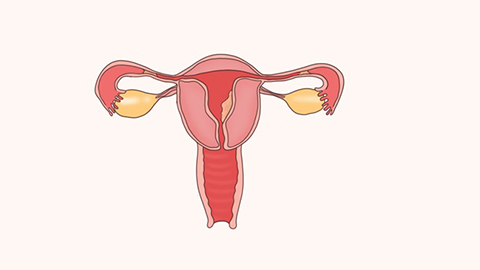
Following uterine malformation, the uterus may be unable to properly receive semen and sperm, impairing sperm capacitation and thereby adversely affecting conception. Abnormal uterine shape or volume severely compromises blastocyst implantation, endometrial receptivity, and subsequent embryonic development. This may further lead to abnormal myometrial development, preventing normal development of the fertilized ovum and embryo, resulting in early miscarriage.
Additionally, uterine malformation can hinder placental attachment and development, leading to placental malposition, fetal growth restriction, and preterm birth. Moreover, poor endometrial development may cause ovulatory dysfunction, sex hormone imbalances, reduced sperm viability, and severely impaired blastocyst implantation, endometrial receptivity, and embryonic development.
Therefore, appropriate diagnostic evaluations are essential. Transvaginal ultrasound—a commonly used gynecological and obstetric imaging modality—utilizes ultrasonic waves to generate cross-sectional images of the uterus and surrounding structures. Alternatively, laparoscopy—a minimally invasive surgical procedure—can be performed, using a laparoscope equipped with a camera and imaging system to directly visualize the uterus and fallopian tubes.


