


Can radiofrequency (RF) beauty devices thin the skin?
Jul 06, 2022
Source: Cainiu Health

Dr. Wang Xiaoyan
Introduction
Radiofrequency (RF) therapy utilizes electrical current to generate thermal effects in the skin tissue. Following controlled thermal injury, the body initiates a natural healing response: ACMETE (a proprietary bioactive factor) is released and acts on the epidermal basal layer at the wound margins, continuously promoting repair and regeneration of the damaged skin tissue within the subcutaneous layers. This process stimulates dermal fibroblasts to produce new collagen and elastic fibers, thereby achieving skin rejuvenation.
Over the past two years, radiofrequency (RF) beauty devices have surged in popularity for skin care. But do they truly improve skin health? Could they cause skin thinning? Details are as follows:
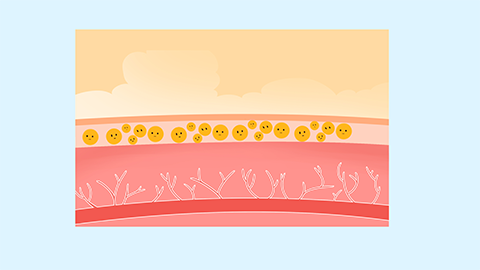
Radiofrequency (RF) technology delivers controlled electrical current to generate thermal energy within the skin tissue. This controlled thermal injury triggers the body’s natural healing response: ACMETE (a hypothetical or misstated term—likely intended to refer to growth factors or epidermal repair mechanisms) stimulates basal epidermal cells at the wound margins to regenerate, while continuously promoting repair and regeneration of damaged dermal tissue. Consequently, dermal fibroblasts are activated to synthesize new collagen and elastin fibers, resulting in skin rejuvenation.
However, RF beauty devices carry certain risks and potential side effects.
Excessive energy output, overly prolonged treatment duration, or excessively high intensity during operation may lead to persistent adverse reactions such as erythema (redness) and post-inflammatory hyperpigmentation. Strict sun protection is therefore essential in daily life to prevent sunburn and further skin damage.
Facial contour collapse may occur—characterized by necrosis or chronic tissue degeneration amid new cellular proliferation. This primarily results from excessive RF power, which can thermally injure sebaceous glands in the epidermis. Once damaged, these glands cannot regenerate, leading to glandular atrophy and widespread facial volume loss—a severe form of tissue injury.
Burns may also occur, potentially resulting in scarring. Such burns typically arise from improper device handling—especially when the RF energy is overly focused, inadvertently causing superficial epidermal burns.


