


The Hazards of Masturbation

Masturbation refers to the act of relieving sexual tension and discharging sexual energy independently, satisfying one’s own sexual needs, and deriving pleasure and psychological comfort from sexual activity. Excessive masturbation may lead to sexual neurasthenia, urogenital system disorders, and impaired cognitive function.
① Sexual Neurasthenia
This condition manifests as abnormalities in the central nervous system and throughout the body, including low mood, diminished memory, poor concentration, reduced comprehension, insomnia, frequent dreaming, dizziness, and palpitations.
② Urogenital System Disorders
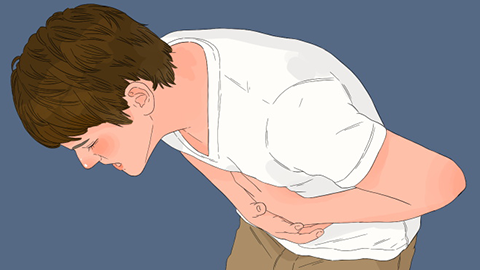
These disorders may cause symptoms such as urinary frequency, post-micturition dribbling, discomfort in the lower abdomen and perineum, lumbago and fatigue, decreased libido, erectile dysfunction, premature ejaculation, and anejaculation. Chronic, frequent masturbation often imposes a heavy psychological burden. Due to repeated ejaculation, semen quality may deteriorate and libido decline. In some patients, the ejaculatory threshold increases, resulting in an inability to ejaculate during normal sexual intercourse—potentially impairing fertility.
③ Impaired Cognitive Function
Prolonged masturbation can significantly impair memory and cognitive capacity. In adolescents, this is most notably reflected by declining academic performance and increasing difficulty in learning. This stems from depletion of “Jing” (essence), which fails to transform into “Qi” (vital energy), and subsequent deficiency of Qi, which cannot nourish “Shen” (mental spirit).


