


What Are the Physical Effects of Masturbation in Adolescents?
Jul 06, 2022
Source: Cainiu Health

Dr. Luo Yong
Introduction
Urinary System Disorders: Frequent masturbation may lead to prostatitis or urinary tract infections (e.g., urethritis), manifesting as symptoms such as frequent urination, painful urination, and discomfort in the lower abdomen and perineum.
Delayed Development: Prolonged masturbation during adolescence may disrupt the stability of the endocrine system, impair genital development, and consequently compromise overall physical health and constitution.
Masturbation refers to the act of satisfying one’s sexual needs, relieving sexual tension, and obtaining sexual pleasure and psychological comfort through self-stimulation. It is commonly known as “hand job” or colloquially as “jacking off” or “flying a plane”—terms predominantly used to describe male masturbation.
Exposure to inappropriate material—including pornographic publications and videos—may lead adolescents to engage in masturbation to satisfy their sexual urges. However, excessive masturbation may result in urinary tract disorders, delayed physical development, and mental fatigue.
① Urinary Tract Disorders
Masturbation among adolescents is, in itself, a normal physiological behavior driven by hormonal and developmental changes. Nevertheless, frequent masturbation can cause prolonged penile engorgement, increasing susceptibility to prostatitis, urinary tract infections (UTIs), or urethritis—manifesting as symptoms such as frequent urination, painful urination, and discomfort in the lower abdomen or perineum.
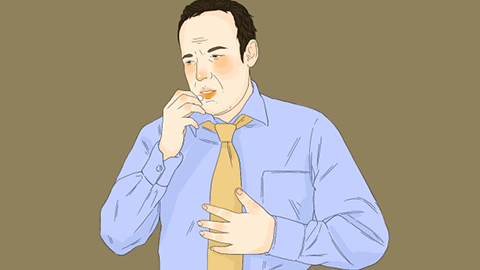
② Delayed Physical Development
Adolescence is a critical period for physical growth. Chronic masturbation may disrupt endocrine balance, impair genital development, and negatively affect overall physical health and constitution.
③ Mental Fatigue
Adolescents are typically under intense academic pressure. Prolonged or excessive masturbation may lead to poor mental alertness, fatigue, difficulty concentrating, and diminished memory—potentially resulting in declining academic performance, persistent lethargy, and general demotivation.


