


Where are sperm produced?
Jul 06, 2022
Source: Cainiu Health

Dr. Luo Yong
Introduction
Spermatogenesis begins with the differentiation of spermatogonial stem cells and ends with the formation of mature spermatozoa. It takes approximately 45 days for spermatogonia to develop into morphologically mature, tadpole-shaped sperm; however, at this stage, the sperm are not yet fully mature and lack fertilizing capacity. They must be stored in the epididymis for a further period—typically 30 to 50 days—to complete their final maturation process and acquire the ability to fertilize an oocyte.
Semen refers to the fluid ejaculated from the male urethra during ejaculation in male animals or human males. Normal semen is a viscous fluid mixture composed of spermatozoa and seminal plasma, with seminal plasma accounting for over 90% of the total semen volume.
Spermatozoa are produced in the seminiferous tubules of the testes.
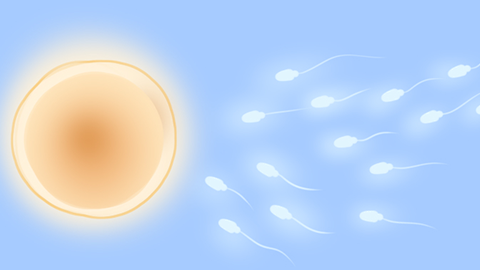
The structure and overall function of the testes are regulated by endocrine glands—the hypothalamus and the pituitary gland. Additionally, local autocrine and paracrine regulatory mechanisms within the testes play crucial roles in modulating spermatogenesis.
Spermatogenesis begins with the differentiation of spermatogonial stem cells and concludes with the formation of mature spermatozoa. Different types of germ cells are arranged in a highly organized, spatially specific pattern within the seminiferous tubules, collectively constituting the process of spermatogenesis.
It takes approximately 45 days for spermatogonia to develop into morphologically mature, tadpole-shaped spermatozoa. However, at this stage, the spermatozoa are not yet fully mature and lack fertilizing capacity. They must be stored in the epididymis for an additional period—typically 30 to 50 days—to complete their final maturation and acquire the ability to fertilize oocytes.
Therefore, the spermatozoa present in a man’s ejaculate began developing roughly three months earlier, attained their characteristic morphology about six weeks prior, and achieved full functional maturity shortly before ejaculation.


