How to Support a Child’s Spleen Function Through Dietary Therapy
Jul 06, 2022
Source: Cainiu Health

Dr. Xie Zixing
Introduction
Children with spleen deficiency may benefit from the following approaches to regulation and support:
- Limit intake of cold-natured foods; avoid herbal cooling teas, chilled beverages, ice cream, and cold-natured fruits and vegetables. Instead, favor neutral or mildly warming foods.
- Maintain regular daily routines—especially going to bed early at night—and engage in frequent outdoor physical activity and sun exposure.
- Simple Tui Na (Chinese therapeutic massage) techniques can help regulate the spleen and stomach. These include gentle abdominal rubbing, foot rubbing, spinal pinching, and spinal pushing—performed carefully on the child.
Spleen deficiency in children often leads to weakened immunity. If your child exhibits signs of spleen deficiency, the following approaches may help regulate and strengthen their spleen function:
① Dietary Regulation
Children with spleen deficiency should minimize intake of cold-natured foods. Avoid herbal cooling teas, chilled beverages, ice cream, and popsicles. Cold or cooling foods include: pears, bananas, watermelon, dragon fruit, mangosteen, kiwifruit, white radish, water chestnuts, Chinese cabbage, and crab.
Instead, emphasize neutral or mildly warming foods, such as: apples, oranges, durians, longans, juicy peaches, cherries, grapes, waxberries, prunes, red dates, green dates, cauliflower, Chinese kale, white gourd, chayote, pumpkin, pork, beef, fish, and shrimp.
② Lifestyle Modifications
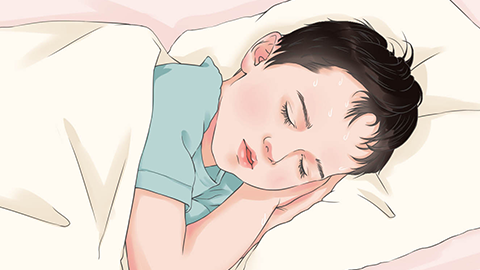
Maintain regular daily routines—especially ensuring early bedtime. Encourage frequent outdoor physical activity and sun exposure. According to Traditional Chinese Medicine (TCM), “the Spleen governs the four limbs”; thus, regular limb movement and exercise not only promote digestion but also support spleen health.
③ Tui Na (Chinese Therapeutic Massage)
Simple Tui Na techniques can effectively regulate spleen and stomach function. Suitable techniques for children include gentle abdominal massage, foot rubbing, spinal捏脊 (Gēn Jǐ, i.e., pinching along the spine), and spinal pushing. Parents may perform these techniques at home daily for a short duration; consistent practice often leads to noticeable improvement in children’s spleen deficiency symptoms.