


How many days does a child’s viral fever last?

From a medical perspective, the viral phase typically lasts seven days. In most cases, viral fever in children persists for three to five days.
In the early stage of viral fever, children commonly exhibit facial flushing, a hot forehead, cold hands and feet, and lethargy. Additional symptoms may include sore throat, rhinorrhea, cough, vomiting, and diarrhea. However, accompanying symptoms are often atypical and may manifest solely as spitting up milk, loss of appetite, or diarrhea.
If a child’s fever recurs or persists beyond three to five days without resolution, this warrants prompt attention, as it may indicate a bacterial infection. In such cases, timely medical evaluation is essential, and antibiotic therapy should be initiated only upon confirmation and recommendation by a physician.
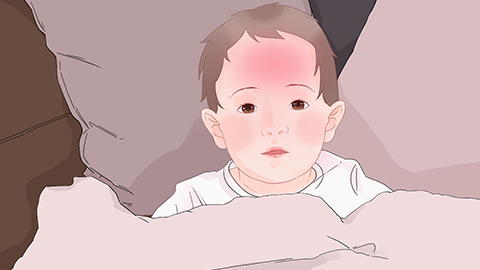
A child’s temperature should be measured every one to two hours during fever. While keeping the child warm is important, avoid over-bundling with excessive blankets or clothing. The traditional “sweat-it-out” method is unscientific and impedes heat dissipation, thereby hindering fever reduction.
Additionally, lukewarm sponge baths are recommended. After sweating profusely during fever, maintaining proper hygiene is crucial to prevent secondary bacterial infections.
In summary, physical cooling measures are appropriate for fevers below 38.5°C (101.3°F); antipyretic medication should be administered when the temperature reaches or exceeds 38.5°C (101.3°F).


