What Should You Do When Your Baby Has a Fever?
Jul 06, 2022
Source: Cainiu Health

Dr. Xie Zixing
Introduction
Specific approaches to managing a baby’s fever include:
- **Hydration**: Encourage the baby to drink plenty of fluids to replenish lost body fluids—this is the most fundamental method for reducing fever.
- **Tepid sponging**: This method is suitable for cooling children with high fever; however, it should be avoided in infants whose chest, abdomen, or other areas are highly sensitive to cold stimuli, as well as in children with rashes accompanied by fever.
- **Medication**: The decision to administer antipyretic drugs to a child must be guided by scientific evidence and clinical judgment.
Because infants have poor adaptability to the external environment and their immune systems are not yet fully developed, they are prone to fever. Specific management strategies include:
① Hydration
Offer the infant plenty of warm boiled water, vegetable water, or fruit juice. Increasing fluid intake helps replenish body fluids and is the most fundamental—and highly effective and practical—method for reducing fever, suitable for all febrile infants. Avoid giving cold water; instead, provide warm water, as fever in infants is often accompanied by gastrointestinal symptoms and coughing, and cold water may exacerbate these associated symptoms.
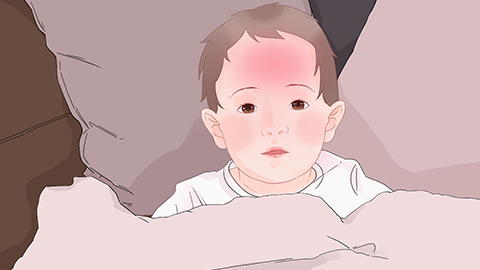
② Tepid Sponge Bath
The water temperature should be maintained between 27°C and 37°C. Do not bathe the infant in hot water. Tepid sponge baths are appropriate for reducing high fever. The method involves gently wiping the infant’s entire skin surface with lukewarm water (approximately 32–34°C). Areas such as the chest and abdomen are particularly sensitive to cold stimuli; therefore, avoid wiping these regions. Infants with rashes accompanying fever should not undergo tepid sponge baths.
③ Pharmacologic Treatment
Administration of antipyretic medications to children must be guided by scientific evidence. It is recommended that antipyretics be strictly avoided in infants younger than two months. For example, ibuprofen can be used to reduce fever in infants and young children and to relieve mild headache, sore throat, and toothache caused by common colds or influenza. The recommended dose is 5–10 mg/kg per administration, repeated every 6–8 hours as needed, with a maximum of four doses within 24 hours.