


How to Exercise with Lumbar Muscle Strain
Jul 06, 2022
Source: Cainiu Health

Dr. Xu Ge
Introduction
Twist the waist and rotate the hips: Stand with feet slightly wider than shoulder-width apart, maintain an upright posture, and fully relax the body. Place both hands on the waist and regulate your breathing. Keep the upper body essentially upright; the waist should move in coordination with hip rotation, avoiding excessive forward or backward bending of the torso.
Waist-twisting back-pounding exercise: Stand with feet shoulder-width apart. As the waist rotates left and right, allow both arms to swing naturally forward and backward. Use the momentum of this swinging motion to alternately tap the lower back and lower abdomen with the hands.
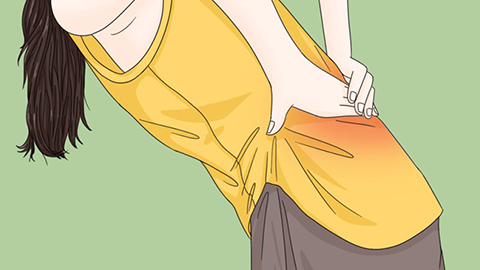
In daily life, individuals who sit or stand for prolonged periods—or those engaged in physically demanding labor—are commonly affected by lumbar muscle strain. So how can we alleviate these symptoms? Here are three effective exercises!
1. Waist and Hip Rotation: Stand with feet slightly wider than shoulder-width apart, maintaining an upright posture and full-body relaxation. Place your hands on your hips and breathe evenly. Rotate your hips horizontally around the central axis of your waist. One complete rotation counts as one repetition; then repeat the motion in the opposite direction. Gradually increase the range of motion. Keep your upper body essentially upright, allowing your waist to move naturally with your hips—avoid excessive forward or backward bending.
2. Waist Rotation with Back Tapping: Stand with feet shoulder-width apart, fully relaxed and knees slightly bent. Let your arms hang naturally at your sides, with hands loosely clenched into fists. As you rotate your waist left and right, allow your arms to swing naturally forward and backward. Use this swinging momentum to alternately tap your lower back and abdomen with your fists; adjust tapping intensity according to comfort and tolerance.
3. Hands Reaching Toward the Feet: Stand upright and relaxed, with feet slightly apart. First, raise both arms overhead while gently arching your back backward as far as comfortably possible; hold briefly. Then slowly bend forward from the hips, lowering your hands toward your feet—aiming to touch them if possible—and hold momentarily before returning to the upright position. Keep your knees straight during forward flexion (bending the knees reduces effectiveness). Older adults and individuals with hypertension should perform this movement slowly and cautiously.


