


At what age is it best to introduce complementary foods to infants?

Infants are generally advised to begin complementary feeding around six months of age.
The earliest appropriate time to introduce complementary foods is typically at six months. These initial foods should be smooth, mashed textures—such as vegetable purée, fruit purée, and rice cereal—and introduced in small quantities. Between seven and nine months, infants may progress to finely minced or ground foods, including minced meat, chopped vegetables, egg, fish purée, tofu, rice cereal, and fruits. From ten to twelve months, they can gradually transition to coarsely chopped foods, such as diced meat, chopped vegetables, eggs, fish, soy products, and fruits.
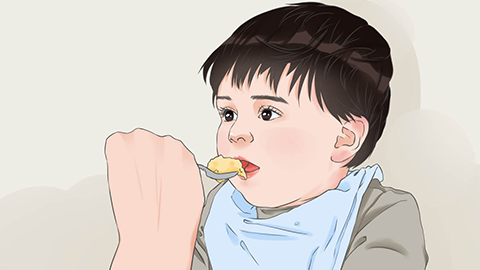
The quantity of complementary food should increase gradually—from small to larger amounts. Texture progression should follow a sequence from thin to thick, smooth to coarse, and liquid to semi-liquid, then finally to solid foods.
New food types should be introduced one at a time, allowing the infant to become accustomed to each before adding another. Failure to accept a new food on the first attempt does not necessarily indicate dislike or intolerance; it is advisable to try again after a short interval.
Feeding should be conducted patiently, without coercion. After introducing any new food, closely monitor the infant’s digestive response. If signs such as loss of appetite, vomiting, abnormal stools, or other adverse reactions occur, discontinue that food temporarily. Once gastrointestinal function has fully recovered, reintroduce the food starting with the original small amount—or even a smaller quantity. Avoid introducing new complementary foods if the infant is unwell.
Flexibly adjust the variety and quantity of complementary foods according to the individual infant’s needs and developmental progress. In practice, tailor feeding strategies to suit your child’s unique characteristics. Objective indicators of appropriate feeding include: absence of crying after feeding, restful sleep, well-digested stools, and satisfactory weight gain.


