Is the pentavalent rotavirus vaccine necessary?
Jul 06, 2022
Source: Cainiu Health

Dr. Xie Zixing
Introduction
Rotavirus infection is the leading cause of severe dehydrating diarrhea in children under 5 years of age worldwide. Vaccination is an effective means of preventing rotavirus infection; therefore, timely immunization is essential. Rotavirus vaccine is classified as a Category II vaccine—administered voluntarily and at the recipient’s own expense—and parents may decide whether or not to vaccinate their child based on the infant’s age and individual needs.
Vaccines are biological products prepared from various pathogenic microorganisms for preventive immunization. Vaccines made from bacteria or spirochetes are also referred to as bacterins. Vaccines are broadly classified into two types: live vaccines and inactivated (killed) vaccines. So, is the pentavalent rotavirus vaccine necessary?
Rotavirus infection is the leading cause of severe dehydrating diarrhea among children under five years of age worldwide. Vaccination remains the most effective means of preventing rotavirus infection; therefore, timely vaccination is strongly recommended.
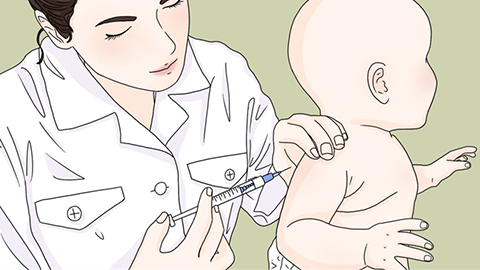
The rotavirus vaccine is categorized as a Category II vaccine—administered voluntarily and at the recipient’s own expense. Parents may decide whether or not to vaccinate their child based on the infant’s age and individual needs.
Protection conferred by the rotavirus vaccine lasts approximately seven years, covering the age range during which infants and young children are most susceptible to infection. Currently available rotavirus vaccines can be administered starting at either six weeks or two months of age. Importantly, according to the vaccine’s package insert, the first dose of the pentavalent rotavirus vaccine must be administered between 6 and 12 weeks of age; administration beyond this window is contraindicated.
The oral pentavalent reassortant rotavirus live attenuated vaccine offers broader serotype coverage and superior efficacy compared with the standard oral rotavirus live attenuated vaccine. However, due to its strict age restrictions, infants older than 12 weeks of age are only eligible for the standard oral rotavirus live attenuated vaccine. Parents should select the appropriate vaccine type based on their child’s specific circumstances.