What Should You Do for a Child’s Nasal Congestion?
Jul 06, 2022
Source: Cainiu Health

Dr. Xie Zixing
Introduction
It is recommended that during nasal congestion, you keep the baby warm and avoid exposure to cold. Applying a warm, damp towel to the sides of the nostrils or inhaling warm steam can effectively relieve nasal congestion. Additionally, saline nasal drops may be used—administer 1–2 drops into each nostril 4–6 times daily—as an adjunctive treatment.
Nasal congestion in children is often associated with cold exposure, which causes nasal mucosal hyperemia and edema. Several factors may contribute to nasal obstruction in children, such as the common cold or excessively dry indoor air. During episodes of nasal congestion, ensure the child stays warm and avoids cold exposure. Applying a warm, damp towel to the sides of the nose or inhaling warm steam may effectively relieve nasal stuffiness. Additionally, saline seawater nasal drops can be used 4–6 times daily, with 1–2 drops per nostril each time, as an adjunctive therapy.
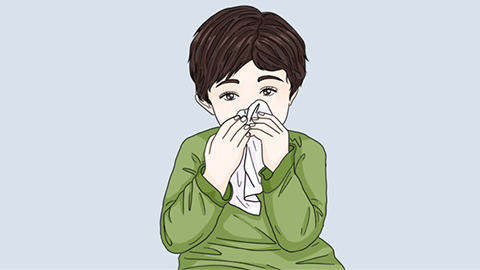
Meanwhile, encourage the child to drink plenty of fluids—preferably warm water—and avoid cold exposure or overly cold environments, which may worsen symptoms. Also, avoid crowded places to reduce the risk of cross-infection, which could exacerbate nasal congestion.
At home, ensure regular ventilation by opening windows. If indoor air is particularly dry and poorly circulated, consider using a humidifier to maintain optimal humidity levels, thereby facilitating more comfortable breathing for the child. Furthermore, incorporate foods and traditional remedies known to help prevent colds and rhinorrhea—such as turtle jelly (guilinggao), loquat syrup (pipa gao), and fritillary bulb (chuanbei)—into the child’s diet. Dietary therapy can gradually enhance the child’s immune resistance.