


How to Effectively Treat Lumbar Muscle Strain
Jul 07, 2022
Source: Cainiu Health
Dr. Xu Ge
Introduction
- Get adequate rest and maintain proper posture. When lying in bed, avoid using a high pillow, as this prevents the lumbar spine from achieving true rest—only the limbs are rested.
- Use medications appropriately. Pharmacological intervention is indicated when symptoms significantly impair daily life and work, particularly when sleep is affected.
- Physical therapy. For pain caused by lumbar muscle strain, patients may seek standard treatments—such as massage—at a reputable hospital.
Lumbar muscle strain refers to cumulative injury to the muscles of the lower back, leading to aseptic inflammation; clinically, it is also known as lumbar myofascial inflammation. There are three primary treatment approaches for lumbar muscle strain.
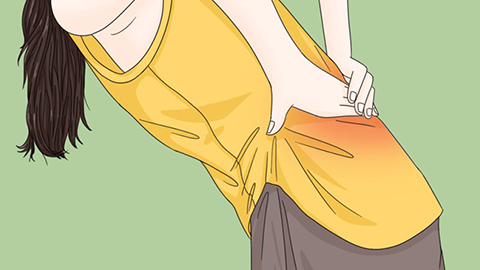
1. Appropriate rest and attention to posture. Pain serves as the body’s self-feedback mechanism—its way of signaling that rest is needed. Do not persist with work or other activities while experiencing pain. High-quality sofas and chairs support the natural lordotic curve of the lumbar spine. The worst sitting posture is forward flexion at approximately 70°: in supine position, lumbar load equals 1.0 times body weight; in standing position, it increases to 1.5 times; and with ~70° forward flexion, it rises dramatically to 2.5 times. When lying down, avoid using excessively high pillows, which prevent true lumbar rest and only allow the limbs to relax.
2. Moderate pharmacological treatment. When symptoms significantly impair daily life and work—especially sleep—pharmacological intervention becomes necessary. Examples include anti-inflammatory analgesics to alleviate symptoms and muscle relaxants to relieve muscular tension.
3. Physical therapy. During episodes of lumbar muscle strain–related pain, patients may seek conventional treatments—such as massage—at reputable medical institutions. These modalities can effectively relieve pain, though their effect is typically temporary. When selecting a rehabilitation specialist or massage clinic, ensure the facility is licensed and staffed by qualified professionals.


