


Best Treatment for Knee Joint Effusion
Jul 07, 2022
Source: Cainiu Health
Dr. Xu Ge
Introduction
Knee joint effusion requires early intervention to reduce synovial inflammation and restore the dynamic balance between synovial fluid secretion and absorption. Treatment options are varied and include appropriate rest, local physical therapy, and modification of physical activities. In most cases, small amounts of effusion resolve spontaneously within a short time—even without any specific treatment or intervention.
Knee joint effusion requires early intervention to reduce synovial inflammation and restore the dynamic balance between synovial fluid secretion and absorption. Treatment options are varied and include appropriate rest, local physical therapy, and modification of physical activities. In most cases, small amounts of effusion resolve spontaneously within a short time—even without specific treatment or intervention. When synovial inflammatory response is mild, the body’s natural regulatory capacity may be sufficient to achieve improvement.
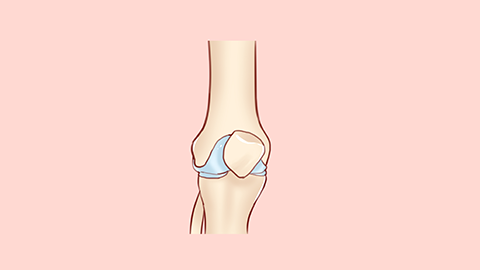
Mild effusion may result from minor, unintentional twisting injuries or excessive walking; in such cases, simple observation is usually adequate. Patients are generally advised to rest supine in bed, as vigorous activity may exacerbate the effusion. Typically, if there is no significant pain or other characteristic symptoms, the effusion improves within approximately two weeks.
In cases of severe joint effusion—characterized by obvious swelling and palpable fluid accumulation upon light finger pressure—prompt medical evaluation is recommended. Magnetic resonance imaging (MRI) is often performed for definitive diagnosis. The most direct approach to resolving effusion is consultation with a physician for professional management. Physical therapy modalities—including microwave therapy or far-infrared radiation therapy—may help alleviate pain associated with joint effusion.


