


What Should You Eat After Fracture Surgery to Recover Faster?
Jul 07, 2022
Source: Cainiu Health

Dr. Xu Ge
Introduction
After a fracture, maintaining a balanced diet is crucial. It is important to consume adequate amounts of protein, fat, carbohydrates, and vitamins—particularly protein. A high-energy, high-protein diet supplies sufficient collagen, one of the primary components essential for bone formation. Therefore, protein-rich foods such as eggs and milk may be consumed in appropriate quantities.
After a fracture, maintaining a balanced diet is essential. Adequate intake of protein, fat, carbohydrates, vitamins, and other nutrients is necessary—with particular attention to sufficient protein consumption.
A high-energy, high-protein diet supports collagen synthesis—the primary component required for bone formation. Therefore, protein-rich foods such as eggs and milk may be consumed in moderation. However, high-protein, high-energy diets are recommended only during the mid-to-late stages of fracture recovery—especially following surgical intervention—because patients often experience gastrointestinal symptoms (e.g., nausea and loss of appetite) in the early postoperative period; thus, light, easily digestible meals are advised initially.
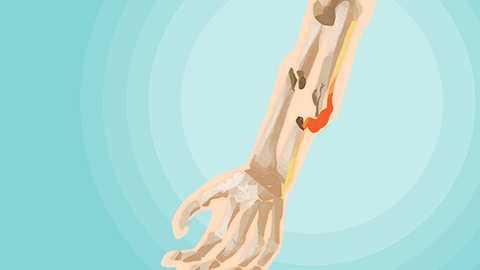
Secondly, it is advisable to consume more dietary-fiber-rich foods—such as fresh fruits and vegetables, whole grains, and legumes—to support optimal gastrointestinal function. Following fracture surgery, patients typically remain immobile for an extended period and require prolonged bed rest. Reduced physical activity slows intestinal motility, increasing the risk of constipation. Accordingly, during this time, patients should increase their intake of water-rich foods—including fruits and vegetables—or supplement with high-fiber foods to promote regular bowel movements and prevent constipation.
Preventing post-fracture complications is also critically important. Patients are encouraged to drink ample fluids to facilitate expectoration and urination, and to engage actively in functional rehabilitation exercises to maintain muscle strength.


