


Should a sprain be treated with heat or cold therapy?
Jul 07, 2022
Source: Cainiu Health

Dr. Xu Ge
Introduction
Whether to apply heat or cold for a sprain depends on the specific situation. Within the first 24 hours after an ankle sprain—the acute phase of injury—cold therapy (ice application) is recommended. Heat therapy, by contrast, promotes healing; thus, 48 hours after a joint sprain, if there is no ongoing bleeding or swelling at the injured site, heat application can be used to help reduce swelling and relieve pain more quickly.
Hot or cold compress—what to choose depends entirely on the specific situation.
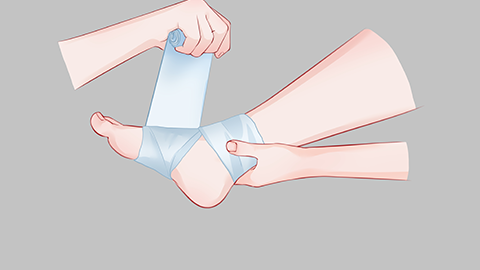
1. Cold Compress: For Pain Relief
Sudden injuries—such as ankle sprains, knee twists, muscle strains, or contusions—typically cause immediate pain and significant swelling. Immediate application of a cold compress provides analgesic and numbing effects. Within the first 24 hours following an ankle sprain—the acute phase of injury—a cold compress is recommended. Cold therapy reduces local blood circulation, suppresses swelling, and alleviates pain. In contrast, applying heat during this phase causes vasodilation, increases local blood flow, raises tissue temperature, and thereby exacerbates both pain and swelling. Similarly, substances such as alcohol-based rubs, safflower oil, or medicated plasters produce a warming effect equivalent to heat therapy; therefore, these should be strictly avoided during the initial injury phase.
2. Heat Compress: To Promote Healing
After 48 hours post-joint sprain—and provided there is no ongoing bleeding or persistent swelling—heat therapy may be applied to accelerate resolution of swelling and relieve pain. Moist heat (e.g., warm damp towels, hot water bottles, or warm boiled eggs) applied to the affected area elevates local temperature, enhances blood circulation and metabolic activity, and facilitates absorption of hematoma and exudate—thereby promoting faster resolution of swelling and wound healing. Additionally, heat therapy improves soft-tissue elasticity, helps prevent joint stiffness and muscle spasm, and further relieves pain.


