


What Are the Symptoms of Sciatica?
Jul 07, 2022
Source: Cainiu Health

Dr. Xu Ge
Introduction
Sciatica often occurs after trauma, physical labor, or exposure to cold. Its characteristic feature is paroxysmal pain, which typically worsens at night. If patients do not receive timely and appropriate treatment, sciatica may gradually progress to limping—a hallmark symptom of sciatica and a key indicator of its associated morbidity.
Sciatica commonly occurs following trauma, physical exertion, or exposure to cold. Common underlying causes include lumbar disc herniation, lumbar spinal stenosis, and spondylolisthesis—all of which can trigger sciatic nerve pain. Onset is typically sudden, with pain most often affecting one side (unilateral), though bilateral involvement may occasionally occur. Pain is primarily localized to the distribution of the sciatic nerve—namely, the posterior thigh, posterolateral calf, and foot. In severe cases, patients may adopt a characteristic posture: lumbar flexion, knee flexion, and walking on tiptoes. When the lesion involves the nerve root, increased intraspinal pressure—such as during coughing or straining—exacerbates the pain.
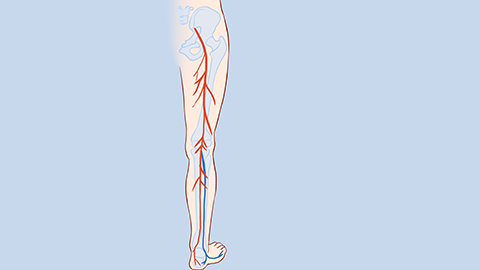
A hallmark feature of sciatica is paroxysmal pain, often worsening at night. In some patients, pain may be provoked or intensified by changes in body position or stretching of the sciatic nerve. Without timely and appropriate treatment, sciatica may gradually progress to intermittent claudication—a hallmark and clinically significant manifestation of the condition, reflecting its potential for functional impairment.
Patients may alleviate symptoms through gentle, low-intensity exercises performed regularly. For example, they may hold onto a wall while performing gentle leg stretches, or lie supine and simulate pedaling a bicycle to strengthen lower-limb musculature—both approaches effectively relieve discomfort associated with sciatica.


