


Can patients with breast nodules eat kelp?

Kelp is a common marine food in daily life. So, can individuals with breast nodules consume kelp?
Can individuals with breast nodules consume kelp?
Yes, individuals with breast nodules may consume kelp. The primary component of kelp is iodine, which has no direct association with breast hyperplasia or breast nodules. However, caution is warranted for those with thyroid nodules. In cases of nodular goiter, iodine levels in the body must be assessed. Iodine deficiency itself can contribute to the development of nodular goiter—commonly known as “goiter.” Under such circumstances, not only kelp but also iodized sea salt—and even specially formulated oral iodine supplements—may be recommended.
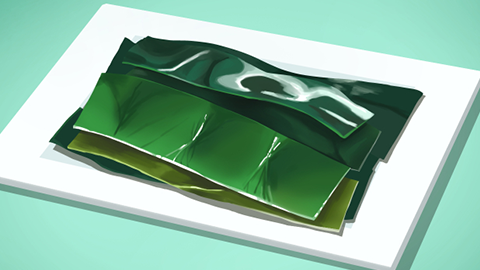
If a breast nodule is classified as high-risk according to the Breast Imaging Reporting and Data System (BI-RADS), kelp consumption is not advised at that time. Excessive iodine intake may promote the development or progression of thyroid nodules and increase the risk of thyroid cancer. Therefore, while kelp is generally considered part of a healthy diet for breast health, individuals with thyroid disorders—including nodular goiter or cervical spondylosis—should consult their physicians before consuming kelp. Moreover, patients with suspicious malignant thyroid nodules should avoid kelp altogether, and other iodine-rich foods should also be consumed cautiously.
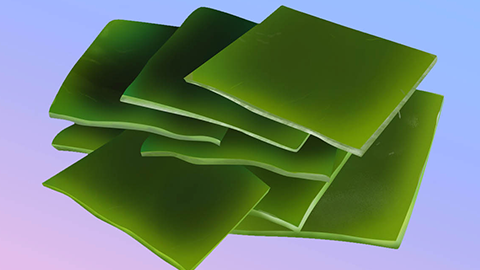
Kelp should not be soaked for prolonged periods, as extended soaking reduces its nutritional value and depletes essential vitamins. Kelp is considered “cold” in nature according to Traditional Chinese Medicine; therefore, individuals with spleen-stomach deficiency-cold should strictly avoid it. Patients should also be aware that consuming tea or fruit immediately after eating kelp may interfere with normal iron absorption in the body. Individuals with hyperthyroidism, pregnant women, and others at risk should limit kelp intake to prevent thyroid dysfunction and related complications. We hope this article has been helpful. Wishing you a joyful life and optimal health!


