What should I do if I have heart disease in my twenties?
Jul 07, 2022
Source: Cainiu Health

Dr. Li Man
Introduction
For individuals in their twenties diagnosed with heart disease, it is essential to determine the specific type of cardiac condition before establishing an appropriate treatment plan. Typically, a color Doppler echocardiogram is the first diagnostic test performed. This is because heart disease in young adults is most commonly congenital, including conditions such as atrial septal defect, ventricular septal defect, patent ductus arteriosus, or valvular stenosis or insufficiency secondary to rheumatic heart disease.
“Heart disease” is a general term encompassing all cardiac conditions. In fact, there are many different types of heart disease. If you experience discomfort related to your heart, it is essential to determine the specific type you have—this enables you to take greater responsibility for both your treatment and overall health. So, what should someone in their twenties do if diagnosed with heart disease?
What to Do If Diagnosed with Heart Disease in Your Twenties
For individuals in their twenties, identifying the precise type of heart disease is crucial before determining an appropriate treatment plan. Typically, the first diagnostic step is a color Doppler echocardiogram. This is because heart disease in young adults is most commonly congenital—such as atrial septal defect (ASD), ventricular septal defect (VSD), patent ductus arteriosus (PDA), or valvular stenosis or insufficiency secondary to rheumatic heart disease. A color Doppler echocardiogram can provide a definitive diagnosis.
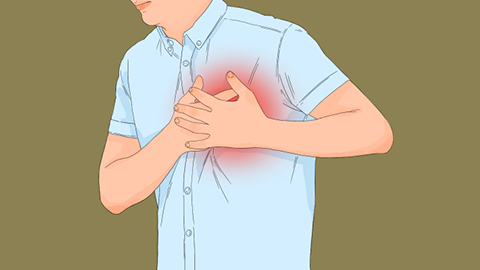
If the diagnosis is congenital heart disease, interventional therapy may be an option—for example, using an appropriate occlusion device to seal the defect, thereby achieving a cure. For rheumatic heart disease, the treatment strategy depends on the severity of valvular stenosis or insufficiency: mild cases may be managed conservatively, whereas severe stenosis or significant valvular insufficiency typically requires surgical valve replacement.
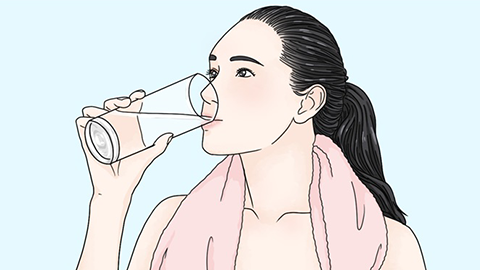
Patients are advised to rest adequately, maintain adequate hydration, preserve a positive mental state, and avoid anxiety. We hope this information proves helpful.