


Symptoms of Premature Heartbeats

Premature beats (also known as premature contractions) are very common in healthy individuals. If they occur infrequently and are asymptomatic, drug therapy is generally not recommended. However, when premature beats occur under other circumstances—such as in the presence of underlying heart disease—physicians must conduct thorough evaluations and provide appropriate treatment. Many people seek comprehensive examinations because they are unaware of the symptoms associated with cardiac conditions. So, what are the symptoms of premature cardiac beats?
Symptoms of Premature Cardiac Beats
The most typical symptom of premature cardiac beats is palpitations—often described as a sensation of fluttering, pounding, or irregular heartbeat, or even a feeling that the heart has momentarily “skipped a beat” or paused. These subjective sensations represent the most characteristic symptoms reported by patients experiencing premature beats. Electrocardiography (ECG) is the most effective diagnostic tool for distinguishing premature beats from other types of arrhythmias. An ECG can differentiate between premature beats and atrial fibrillation (AF), as both conditions may present with identical symptoms. Moreover, ECG analysis can determine whether the premature beats originate from the atria (premature atrial contractions, PACs) or ventricles (premature ventricular contractions, PVCs). Standard ECG examination may also reveal whether the patient has additional cardiac abnormalities.
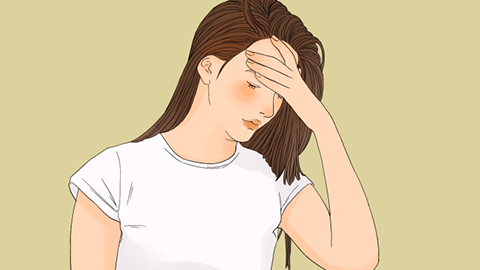
Premature beats are a common type of arrhythmia, classified according to their site of origin as atrial premature beats, ventricular premature beats, and junctional (atrioventricular nodal) premature beats. The clinical presentation of premature beats primarily depends on their frequency and whether underlying structural heart disease is present. In patients without structural heart disease, premature beats tend to be infrequent and often asymptomatic. Some individuals may experience mild palpitations or other subtle symptoms, but these typically improve spontaneously with rest and lifestyle adjustments.
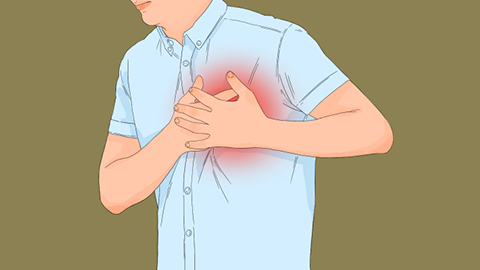
Patients are advised to maintain healthy lifestyle habits and engage regularly in physical activity outdoors, which benefits both cardiovascular and overall health. We hope this information is helpful to you.


