


What Are the Symptoms of Premature Beats?

Premature beats (premature contractions) are very common in healthy individuals. If they occur infrequently and are asymptomatic, drug treatment is generally not recommended. However, when premature beats arise in association with other underlying conditions, thorough evaluation and appropriate management by a physician are essential. Many people seek detailed medical examinations because they are uncertain about the symptoms associated with illness—so what symptoms do premature beats cause?
What Symptoms Do Premature Beats Cause?
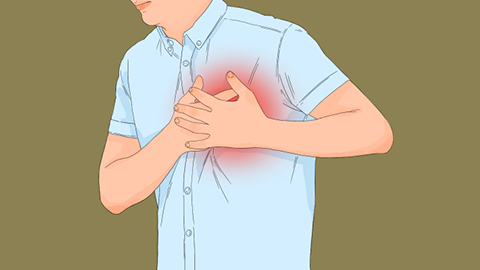
The most typical symptoms of premature beats include palpitations, a sensation of the heart “racing” or “fluttering,” irregular heartbeat, or a feeling that the heart has momentarily “skipped a beat” or paused. These are the hallmark subjective experiences reported by patients experiencing premature beats. Electrocardiography (ECG) is the most effective diagnostic tool for distinguishing premature beats from other types of arrhythmias. An ECG can differentiate premature beats from atrial fibrillation (AF), as both conditions may present with identical symptoms. Furthermore, ECG analysis can determine whether the premature beats originate from the atria (atrial premature beats), ventricles (ventricular premature beats), or the atrioventricular junction (junctional premature beats). Standard ECG examination may also reveal whether the patient has additional cardiac abnormalities.
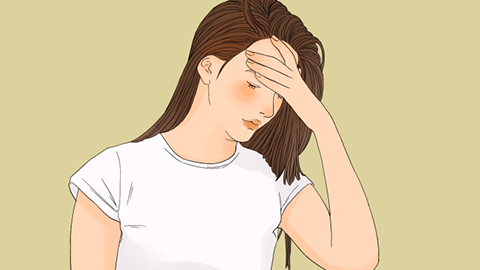
Premature beats are a common type of arrhythmia, classified according to their site of origin as atrial, ventricular, or atrioventricular junctional premature beats. The clinical presentation of premature beats primarily depends on their frequency and whether underlying structural heart disease is present. In patients without structural heart disease, premature beats tend to occur only occasionally and are often asymptomatic. Some individuals may experience mild palpitations or other subtle sensations, but these symptoms typically improve with rest and lifestyle adjustments.
Patients are advised to maintain healthy lifestyle habits and engage regularly in physical activity outdoors, which benefits both physical and mental well-being. We hope this information proves helpful to you.


