


What Fruits and Vegetables Should Be Eaten for Hypotension?

Many health conditions require attention to diet in daily life. Individuals with hypotension (low blood pressure) should avoid foods known to lower blood pressure. So, which fruits and vegetables are suitable for people with low blood pressure?
Which Fruits and Vegetables Are Recommended for Hypotension?
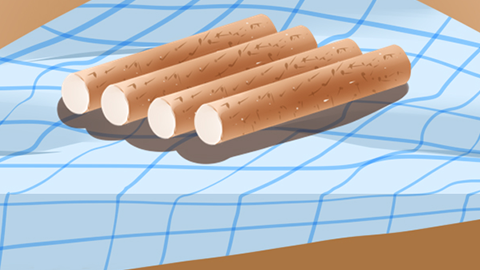
For vegetables, individuals with hypotension may opt for Chinese yam (Dioscorea opposita), lotus seeds, and shiitake mushrooms. There are generally no strict restrictions on fruits; commonly available fruits and vegetables in the market are acceptable. However, it is crucial to avoid those with documented blood-pressure-lowering effects—such as celery, onions, radishes, kelp, and bitter melon. Instead, recommended options include Chinese yam, lotus seeds, shiitake mushrooms, legumes, apples, and kiwifruit.

Hypotensive individuals may also consume spleen-strengthening and qi-tonifying vegetables such as pumpkin, carrots, Chinese yam, shiitake mushrooms, lotus seeds, white hyacinth beans, soybeans, and tofu. Suitable fruits include kiwifruit, apples, and star fruit—preferably seasonal varieties. During summer, excessive consumption of cooling foods like cucumber, bitter melon, kelp, and crab should be avoided. In general, overly cold or sour foods should be limited.
Another important dietary recommendation is increased intake of animal-based foods. To ensure balanced nutrition, individuals with hypotension should consume more high-fat and high-protein foods—including meat, dairy products, and eggs. Additionally, maintaining emotional stability—avoiding irritability and anger—is essential. Adhering to a regular sleep schedule (going to bed early and rising early) and ensuring adequate rest supports healthy blood pressure regulation. It is also advisable to balance work and rest, avoid overexertion, preserve vital qi (the body’s fundamental energy), and prevent exposure to wind after sweating. Warm-toned environments are preferable for living spaces. Engaging in aerobic exercise and tai chi can further enhance physical constitution. We hope this article has been helpful. Wishing you a joyful life and optimal health!


