


Causes of Low Blood Lipids and Hypertension

During routine physical examinations, many individuals are found to have both hyperlipidemia and hypertension. For those with milder conditions, initial management typically involves restricting intake of high-fat foods and abstaining from smoking and alcohol consumption to help regulate lipid levels. But what causes the coexistence of hyperlipidemia and hypertension?
Causes of Coexisting Hyperlipidemia and Hypertension
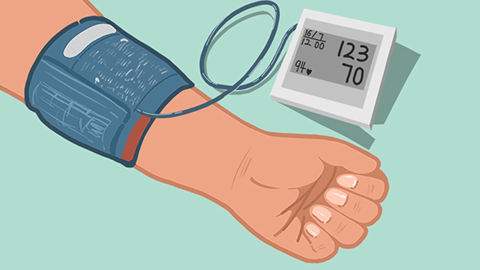
The concurrent presence of hyperlipidemia and hypertension is often linked to dietary habits. In patients experiencing hypertensive emergencies, other comorbidities—such as diabetes or cerebral edema—frequently accompany the condition. Importantly, hypertension itself is not a cause of hyperlipidemia, nor does it directly lead to elevated blood lipids. There is no direct causal relationship between the two conditions; however, they commonly co-occur—individuals with hypertension frequently also have hyperlipidemia, and vice versa.
Dietary control plays a crucial role in the prevention and management of hyperlipidemia. A light, predominantly plant-based diet is recommended. However, long-term strict vegetarianism should be avoided, as it may result in an unbalanced nutritional profile and potentially elevate endogenous cholesterol production. Intake of high-fat, high-cholesterol foods—including animal brains, egg yolks, chicken livers, and butter—should be limited. Sweet foods and snacks should be avoided. Increased consumption of vegetables and fruits is encouraged. A low-sodium diet is advised, and cooking oils should preferably be soybean oil, peanut oil, other vegetable oils, or sesame oil.
Mild caloric restriction can also aid in lowering blood lipid levels; however, meals should be portion-controlled such that hunger arises approximately 30 minutes before the next meal—strict fasting regimens are not recommended. Smoking and alcohol consumption must be completely avoided. We hope this information proves helpful to you!


