


What should I do if I experience dizziness due to low blood pressure?

Low blood pressure can cause symptoms such as dizziness and fatigue. It is therefore essential to pay attention to nutritional intake. So, what should you do if you experience dizziness due to low blood pressure?
What to Do for Dizziness Caused by Low Blood Pressure
When experiencing symptoms of low blood pressure and dizziness, gentle massage may help alleviate them—specifically, applying firm but comfortable pressure with your fingers on acupoints such as Tianzhu (BL10) and Baihui (GV20). Additionally, consuming a moderate amount of salt may improve low blood pressure and associated dizziness; however, excessive salt intake must be avoided. Chewing fresh ginger is another simple remedy that may help relieve these symptoms. Finally, we recommend using dietary therapy to strengthen overall physical constitution and thereby alleviate—or even eliminate—these symptoms.
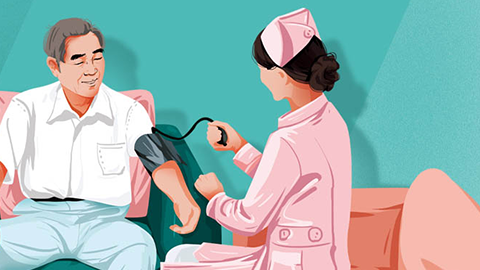
If dizziness is caused by low blood pressure, increasing salt intake—along with drinking more water—can help expand circulating blood volume, thereby raising blood pressure. Enhancing nutrition by consuming foods or supplements known to support healthy blood pressure regulation is also beneficial. In moderation, drinking low-alcohol wine may also be considered. Regular physical exercise helps improve the body’s autonomic regulatory capacity, benefiting both hypotension and hypertension. To prevent syncope (fainting), individuals with low blood pressure should avoid sudden or forceful movements—especially when transitioning from lying down or sitting to standing—and should rise slowly instead.
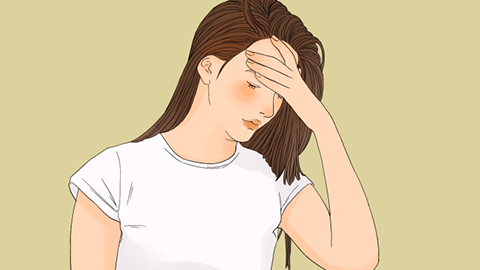
Be sure to eat breakfast regularly each morning and maintain adequate hydration throughout the day. Include high-quality protein sources in your diet, and engage actively in regular physical exercise to enhance your body’s ability to regulate blood pressure. We hope this article has been helpful to you!


