


Is it beneficial for people with hypotension to eat pork liver?

Many people enjoy eating pork liver in daily life, and some individuals with hypotension also consider consuming it. So, is pork liver beneficial for people with low blood pressure?
Is Pork Liver Beneficial for Hypotension?
Pork liver is traditionally regarded as a food that helps replenish blood and does not typically contribute to weight gain—however, its suitability depends on the severity of anemia. For mild anemia, increasing intake of iron- and blood-enriching foods like pork liver may be helpful. In cases of moderate or severe anemia, however, medical consultation and prescribed medication are essential. Consuming pork liver is generally safe and even beneficial for individuals with hypotension. It is advisable to maintain healthy lifestyle habits—avoiding late-night activities, smoking, and alcohol consumption—and to engage regularly in aerobic exercises such as slow jogging or brisk walking to enhance cardiac function.
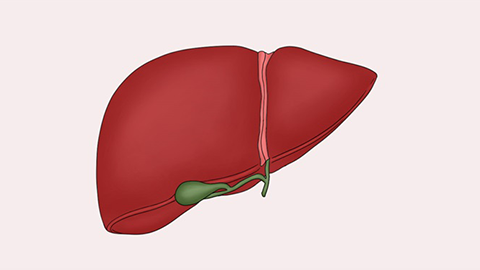
Pork liver is rich in iron and supports blood production, but excessive consumption should be avoided. It contains high levels of cholesterol; overconsumption may promote atherosclerosis and worsen cardiovascular disease. Pork liver should not be consumed simultaneously with vitamin C, as vitamin C can easily oxidize and degrade under such conditions. Before cooking, pork liver must be thoroughly cleaned: rinse under running water for at least 10 minutes, then soak for 30 minutes. During cooking, ensure adequate heating time to eliminate potential parasitic eggs—but avoid overcooking, which compromises texture and palatability. Light stir-frying is recommended.
Slightly increasing dietary salt intake—while maintaining adequate hydration—can help raise blood volume and thus blood pressure. Moderate consumption of low-alcohol beverages may also be beneficial. Drinking various nourishing soups is highly recommended, especially for individuals with hypotension, who may benefit from foods with slightly higher sodium content to support healthy blood pressure levels. We hope this article has been helpful. Wishing you a joyful life and optimal health!


