


What foods can stop bleeding and halt menstruation?

In daily life, some women experience prolonged menstrual periods that interfere significantly with work and daily activities. In such cases, they may wish to stop menstruation promptly—so what foods or treatments can help halt menstrual bleeding?
What Can Help Stop Menstrual Bleeding?
Prolonged menstruation or persistent, irregular uterine bleeding (menometrorrhagia) caused by endocrine disorders may be managed with hormonal medications—for example, Diane-35 (cyproterone acetate/ethinylestradiol), Marvelon (desogestrel/ethinylestradiol), Yasmin (drospirenone/ethinylestradiol), or Yaz (drospirenone/ethinylestradiol). These agents help restore hormonal balance and suppress abnormal uterine bleeding. However, for bleeding caused by endometrial polyps or uterine fibroids, hormonal therapy alone is often ineffective—and bleeding may even worsen. Therefore, prompt diagnostic evaluation is essential to identify the underlying cause and guide targeted treatment. Surgical intervention is typically required for bleeding associated with uterine fibroids or endometrial polyps, and symptoms usually improve following appropriate surgery.
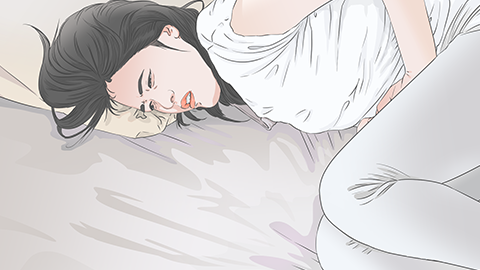
Menstruation involves numerous health considerations. First and foremost, sanitary pads should be changed regularly—ideally every two hours. Because sanitary pads have poor breathability, prolonged use increases the risk of vulvitis and other gynecological infections. Maintaining proper menstrual hygiene is crucial: wash the external genitalia daily with warm water, but avoid tub bathing during menstruation, as it may facilitate ascending infection by pathogens and raise the risk of intrauterine infection.

During menstruation, a woman’s immune resistance tends to decrease. It is therefore advisable to consume iron-rich, blood-nourishing foods. Alcohol and excessive intake of cold-natured foods should be avoided, as these may trigger or exacerbate dysmenorrhea and other uncomfortable symptoms. We hope this information proves helpful!


