


What should I do if I experience painful menstruation (dysmenorrhea) when my period starts?

Many women experience dysmenorrhea (painful menstruation) with every menstrual cycle, and they anticipate its recurrence each month—often developing anxiety or fear as their period approaches. So, what should be done when menstruation inevitably brings severe pain?
What to Do When Menstruation Always Causes Dysmenorrhea
The management of dysmenorrhea during menstruation primarily involves general measures and pharmacological treatment. For patients with mild pain, psychological counseling is recommended to help them understand that mild discomfort during menstruation is a normal physiological response—thereby alleviating anxiety and worry. For those with severe pain, the mainstay of pharmacological treatment includes prostaglandin synthetase inhibitors such as ibuprofen, ketoprofen, and sodium diclofenac. These agents suppress the activity of prostaglandin synthetase, thereby reducing prostaglandin production, preventing uterine contractions and spasms, and ultimately relieving or eliminating dysmenorrhea.
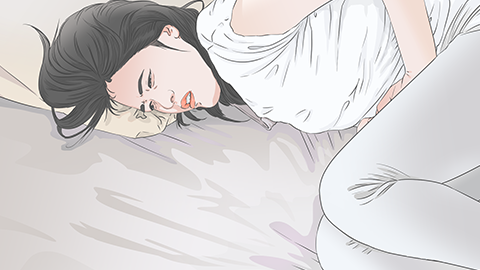
Prevention of dysmenorrhea: During menstruation, avoid consuming cold or spicy foods, as these may exacerbate pain. Maintain warmth in daily life, prevent colds, engage in regular physical exercise, avoid excessive fatigue and late-night sleep deprivation—all of which can improve overall constitution, enhance immunity, and alleviate dysmenorrhea symptoms. When dysmenorrhea occurs, it is advisable to undergo pelvic ultrasound or gynecological examination to determine its underlying cause—for example, adenomyosis, a condition in which endometrial tissue invades the myometrium. Effective relief of dysmenorrhea in such cases requires targeted treatment.

Severe dysmenorrhea can significantly impair a patient’s ability to carry out normal daily activities and work, substantially diminishing quality of life—and thus warrants prompt medical intervention. We hope this information proves helpful to you!


