


Is it useful to test the six sex hormones for investigating menstrual irregularities?

Menstrual irregularity is a very common gynecological disorder, and its prevalence is steadily increasing. Whether menstruation is regular or not significantly impacts a woman’s appearance and overall health—thus, it warrants serious attention. So, is testing the “six sex hormone assays” helpful in evaluating menstrual irregularity?
Is Testing the Six Sex Hormone Assays Helpful in Evaluating Menstrual Irregularity?
Yes, testing the six sex hormone assays is clinically useful when evaluating menstrual irregularity, as the menstrual cycle is regulated by endocrine function and ovarian activity. Measuring these six hormones provides indirect insight into both endocrine and ovarian function, thereby helping to identify the underlying cause of the irregularity and enabling targeted treatment. For instance, some women experience menstrual disturbances due to impaired ovarian function; assessing these six hormones allows clinicians to evaluate ovarian reserve and function, facilitating appropriate hormonal therapy.
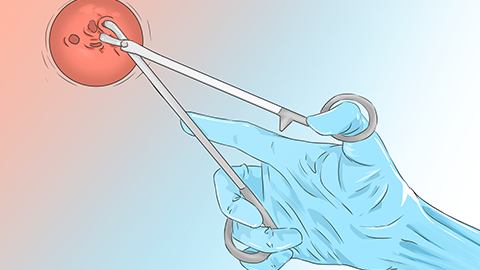
Menstrual irregularity is one of the most common gynecological disorders. Symptoms include irregular menstrual cycles, abnormally heavy or scanty bleeding, premenstrual or menstrual abdominal pain, and generalized discomfort. Causes are multifactorial and may include chronic mental or emotional stress, exposure to cold, excessive weight loss, endocrine imbalances, and unhealthy lifestyle habits. Additionally, intrinsic abnormalities of the ovaries or uterus themselves can also lead to menstrual disturbances.
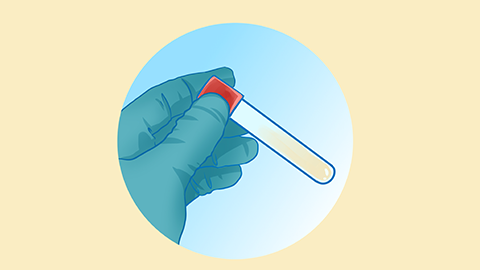
The six sex hormone assays primarily assess female endocrine status. Specifically, they measure the following six hormones: follicle-stimulating hormone (FSH), luteinizing hormone (LH), prolactin (PRL), estradiol (E2), progesterone (P), and testosterone (T). Therefore, this panel is recommended for women presenting with menstrual irregularities. Blood sampling is typically performed on days 3–5 of the menstrual cycle to ensure optimal diagnostic accuracy. We hope this information is helpful. Wishing you good health and happiness!


