


Can a woman with uterus didelphys and double cervix become pregnant?

Uterus didelphys (double uterus) with double cervix is a congenital developmental anomaly primarily resulting from abnormal embryonic development.
Can women with uterus didelphys and double cervix become pregnant?
Women with uterus didelphys can conceive normally, and this condition generally does not impair fertility. Clinically, however, they may experience menorrhagia (increased menstrual flow), as the presence of two uterine bodies means that both endometria undergo cyclical changes in response to ovarian secretion of estrogen and progesterone. These bilateral endometrial changes may lead to heavier and prolonged menstrual bleeding, but do not typically affect fertility. Nevertheless, once pregnancy occurs, there is an increased risk of spontaneous abortion, accompanied by lower abdominal pain and vaginal bleeding. Therefore, prompt medical evaluation and, if indicated, termination of pregnancy (induced abortion) are recommended.
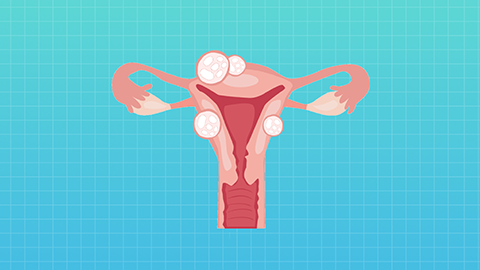
During term delivery, the non-gravid uterine horn may prolapse downward, potentially causing obstructive dystocia and uterine inertia—thereby increasing the likelihood of cesarean delivery.

Uterus didelphys with double cervix arises when the paired Müllerian ducts fail to fuse completely during fetal development, subsequently developing independently into two separate uterine bodies and two cervices; the vagina may also be partially or completely divided into right and left segments. Most affected women remain asymptomatic, but a minority may experience dyspareunia (painful intercourse) or even coital impossibility. In such cases, timely medical consultation and appropriate treatment are essential. We hope this information has been helpful. Wishing you good health and happiness!


