


What causes amenorrhea (absence of menstruation)?
Jul 14, 2022
Source: Cainiu Health

Dr. Chen Zhe
Introduction
During menstruation, women should maintain local cleanliness and hygiene and avoid sexual intercourse, swimming, etc. They should consume warm, easily digestible foods—preferably warm congee (rice porridge) and soups. Ginger-sugar water is beneficial and may be consumed frequently. Cold, raw, chilled, or spicy and irritating foods should be avoided. Strenuous physical labor and vigorous exercise should also be avoided. Adequate rest and sufficient sleep are essential.
Typically, when a woman’s menstrual period is overdue and fails to arrive, she may experience increased irritability. Prolonged absence of menstruation can lead to gynecological disorders. So, what are the possible causes of persistent amenorrhea?
What Causes Persistent Amenorrhea?
In females who have entered puberty, primary amenorrhea is diagnosed if menarche has not occurred by age 18. Potential causes of primary amenorrhea include congenital absence of the uterus, congenital absence of the vagina, or Mayer-Rokitansky-Küster-Hauser (MRKH) syndrome—characterized by underdevelopment or aplasia of the Müllerian ducts. In contrast, secondary amenorrhea refers to the cessation of previously established menses. For women with a history of sexual activity, pregnancy is the most common cause of secondary amenorrhea. In non-pregnant women, delayed or absent menstruation may result from intrauterine adhesions (Asherman’s syndrome), endometrial tuberculosis, hyperprolactinemia, polycystic ovary syndrome (PCOS), or endocrine imbalances.
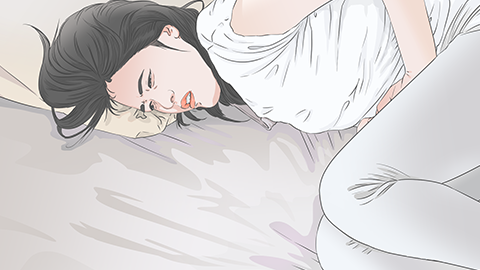
During menstruation, women should maintain local hygiene and avoid sexual intercourse and swimming. They should consume warm, easily digestible foods—preferably nourishing soups and congees. Ginger-sugar water is beneficial; however, cold, raw, chilled, or spicy and irritating foods should be avoided. Strenuous physical labor and vigorous exercise should also be avoided. Adequate rest and sufficient sleep are essential.

Women are advised to consider their age group when evaluating potential causes of persistent amenorrhea and seek medical evaluation at a hospital for appropriate diagnosis and targeted treatment. We hope this information proves helpful!


