


Where is the uterus located in the lower abdomen?
Jul 14, 2022
Source: Cainiu Health

Dr. Chen Zhe
Introduction
During menstruation, maintain warmth and avoid vigorous exercise. Consume more soy-based foods—such as soy milk and tofu—and engage in moderate physical activity, which benefits ovarian health. If pregnancy is not planned, effective contraception is essential. Repeated induced abortions can damage the uterus; endometrial injury resulting from such procedures may lead to reduced menstrual flow or recurrent miscarriage.
Many women wish to massage the uterus to promote smooth circulation of qi and blood, enhance beauty, and nourish the skin—but they are often unclear about the uterus’s precise anatomical location. So, exactly where in the lower abdomen is the uterus located?
Where Is the Uterus Located in the Lower Abdomen?
The uterus resides in the pelvic portion of the lower abdomen—that is, the lower half of the bony pelvis formed by the connection of the two hip bones. This represents the normal anatomical position of the uterus in adult women. From a medical anatomical perspective, the uterus lies centrally within the pelvic cavity, with the bladder anteriorly, the rectum posteriorly, the vagina inferiorly, and the fallopian tubes and ovaries laterally. The uterine fundus lies just below the pelvic inlet plane, while the external cervical os sits slightly above the level of the ischial spines. In adult women with an empty bladder, the uterus normally assumes an anteverted and anteflexed position. However, in cases of pelvic organ prolapse, the uterus may descend as far as outside the vaginal opening. During pregnancy or in the presence of certain pathological conditions, uterine enlargement may cause it to extend beyond the pelvic cavity into the abdominal region.
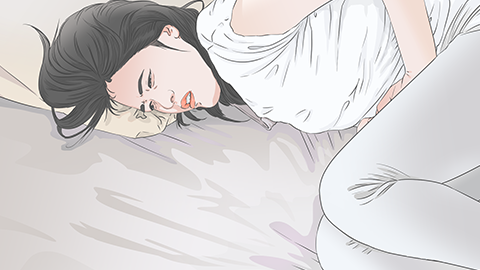
During menstruation, maintain abdominal warmth and avoid vigorous physical activity. Limit intake of spicy and irritating foods such as chili peppers, and instead consume more fresh fruits, vegetables, and soy-based products like soy milk and tofu. Moderate exercise also benefits ovarian health. If pregnancy is not planned, effective contraception is essential. Repeated induced abortions can damage the uterus—particularly the endometrium—leading to reduced menstrual flow and even recurrent miscarriage.

The uterus performs critical functions including menstruation, gestation, supporting pelvic organ stability, and regulating endocrine activity; therefore, proper uterine care is essential. We hope this information has been helpful!


