


What causes uterine contraction pain?

Some women suddenly experience uterine cramping and are unsure of its cause, leading to significant concern about potential abnormalities in their bodies. So, what causes uterine contraction pain?
What Causes Uterine Contraction Pain?
Uterine contraction pain may occur during late pregnancy as episodic discomfort—commonly referred to as “Braxton Hicks contractions” or “false labor.” These contractions are typically irregular, often worsening at night and subsiding during the day, which is considered normal. However, if the episodic pain persists or fails to subside, immediate medical evaluation is essential, as it may indicate preterm labor. A healthcare provider should assess cervical dilation; if the cervix is significantly dilated, hospital admission is recommended, and preparations for delivery should begin promptly. If cervical dilation progresses progressively and is accompanied by a sensation of rectal pressure or fullness, an immediate vaginal examination is warranted—and, if necessary, transfer to the labor and delivery unit.
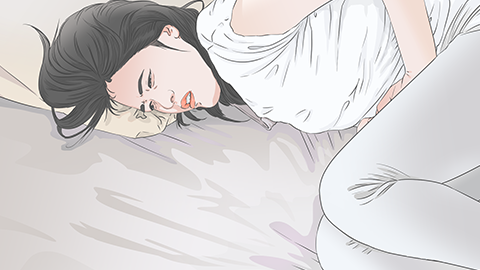
The best way to protect the uterus is to use effective contraception, minimize intrauterine procedures, prevent unintended pregnancies, and thereby reduce the risk of uterine injury. Include high-quality protein sources in your diet—such as chicken, fish, eggs, dairy products, and soy-based foods—and consume iron- and blood-nourishing foods like animal liver, red dates (jujubes), red beans, and donkey-hide gelatin (ejiao). Eat plenty of fruits and vegetables to ensure adequate vitamin intake, and engage in appropriate physical activity to enhance overall immunity.

If uterine contraction pain is tolerable, no specific intervention is required. However, if the pain becomes unbearable, symptomatic treatment under a physician’s guidance is appropriate. We hope this information has been helpful!


