


Why do I experience dysmenorrhea now when I didn’t before?

In daily life, poor genital hygiene during menstruation or hormonal imbalances may lead to dysmenorrhea (painful menstruation). But what causes the onset of dysmenorrhea in individuals who previously experienced no menstrual pain?
Why does dysmenorrhea develop in someone who previously had none?
Dysmenorrhea is classified into two types: primary and secondary. When dysmenorrhea newly develops in a person with no prior history, possible clinical causes include the following: 1. Chronic pelvic inflammatory disease (PID), which may worsen pelvic congestion during menstruation, resulting in lower abdominal pain. 2. Endometriosis—often acquired through daily life—which may progressively exacerbate dysmenorrhea and, clinically, lead to infertility. 3. Uterine fibroids or other pelvic masses, which may cause lower abdominal pain during menstruation.

Individuals experiencing recurrent dysmenorrhea should promptly consult a gynecologist for diagnostic evaluations, including abdominal ultrasound and a panel of six endocrine hormone tests. These assessments help identify the underlying cause. If endometriosis or another surgically treatable condition is diagnosed, surgical intervention may be indicated. Conversely, if “cold uterus” (a TCM diagnosis referring to deficient yang and internal cold) is identified as the cause, herbal remedies such as Aifu Nuangong Wan (Ai-Fu Warm-Uterus Pills) may be prescribed to warm the meridians, dispel cold, and alleviate dysmenorrhea.
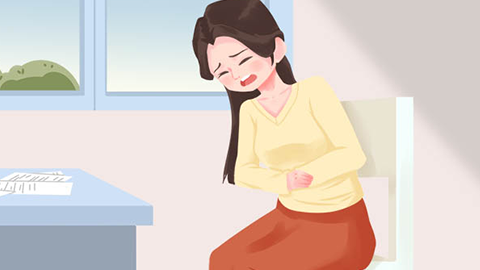
During menstruation, it is essential to keep the abdomen warm and avoid cold foods and beverages, as these may aggravate dysmenorrhea and impede menstrual flow. I hope this article proves helpful to you!


