


Can prolonged foot soaking lead to reduced menstrual flow?

Foot soaking effectively promotes systemic blood circulation, relieves fatigue, and facilitates the expulsion of internal coldness from the body. Consistently soaking your feet each evening can help improve sleep quality. However, can prolonged foot soaking lead to reduced menstrual flow?
Can prolonged foot soaking reduce menstrual flow?
Prolonged foot soaking generally does not cause a reduction in menstrual flow. In fact, foot soaking is a healthy and beneficial wellness practice. Women experiencing menorrhagia (excessively heavy menstrual bleeding) should exercise caution with foot soaking during their period; however, regular daily foot soaking outside of menstruation may actually help regulate abnormal menstrual patterns and contribute to overall bodily balance. Foot soaking offers significant benefits for women with normal or scanty menstrual flow, as well as for those not currently menstruating.
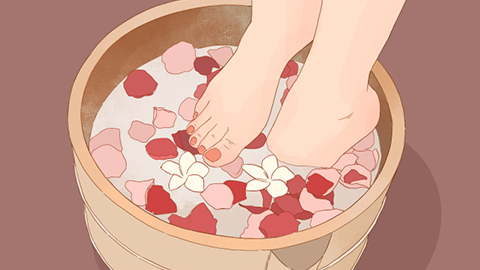
Many women commonly experience cold hands and feet during winter. Foot soaking enhances peripheral circulation—particularly beneficial during dysmenorrhea (painful menstruation), as it improves blood flow, reduces blood clots, and alleviates pain. When soaking, ensure the water level remains below the calves to appropriately stimulate acupoints, thereby supporting uterine and ovarian health, improving libido, regulating menstrual disorders, and easing dysmenorrhea. Additionally, foot soaking improves circulation, boosts metabolism, and helps relieve fatigue.

When soaking your feet, avoid excessively high water temperatures—ideally maintain water temperature between 40–45°C (104–113°F). Also, limit soaking duration to under 30 minutes. Excessively hot water or prolonged soaking may cause burns or vasoconstriction, producing counterproductive effects. We hope this information is helpful to you!


