


Can selenium sulfide be used for hair loss?

Excessive mental stress, unhealthy dietary habits, and frequent late-night sleeping in daily life can all contribute to hair loss in many individuals. So, can selenium sulfide be used to treat hair loss?
Can selenium sulfide be used for hair loss?
Yes, selenium sulfide can be used for certain types of hair loss. First, hair loss has multiple underlying causes. Medically, it may be associated with genetic factors. Additionally, poor hair care practices—such as chronic sleep deprivation, excessive overtime work, or overly frequent sexual activity—may also lead to thinning hair, which is one of the most prominent early signs of male-pattern hair loss. Typically, this type of hair loss develops gradually over a prolonged period. In such cases, traditional Chinese medicine (TCM) formulations aimed at nourishing the blood and promoting hair regrowth may be recommended. For obesity-related hair loss, avoiding greasy foods and increasing physical activity are also advised.
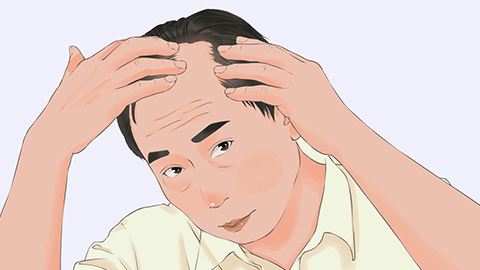
To determine the cause of hair loss, classification is essential. For example, seborrheic alopecia—also known as androgenetic alopecia—may be linked to genetic predisposition, neuropsychological factors, high-pressure work environments, and environmental influences. Alopecia areata, by contrast, is primarily considered an autoimmune disorder and is also associated with psychological stress and emotional triggers. Postpartum hair loss represents another distinct category, with etiology varying according to the specific condition. When patients seek medical consultation, physicians conduct individualized assessments and tailor treatment plans accordingly. Beyond these three common types, other forms—including scarring (cicatricial) alopecia and infectious alopecia—require accurate diagnosis prior to initiating targeted therapy.

If you experience persistent hair loss, consult a healthcare professional who can guide you in selecting appropriate medications. I hope this response has been helpful. Wishing you good health and peace of mind!


