


Is it serious if the lower edge of the placenta covers the internal cervical os?

After becoming pregnant, women need to undergo regular abdominal ultrasound examinations at the hospital. During these ultrasounds, it is common for the report to indicate that the lower edge of the placenta covers the internal cervical os. When this occurs, expectant mothers often become anxious about potential risks to their own health and that of the fetus. So, how serious is it when the lower edge of the placenta covers the internal cervical os?
Is it serious when the lower edge of the placenta covers the internal cervical os?
Generally speaking, in early pregnancy, temporary coverage of the internal cervical os by the lower edge of the placenta is not considered serious. During early pregnancy, the placenta is still very small; therefore, such coverage typically carries no clinical significance, and close observation is recommended at this stage. When the lower edge of the placenta attaches to the lower uterine segment and covers—but does not extend beyond—the internal cervical os, this condition is termed “marginal placenta previa.”
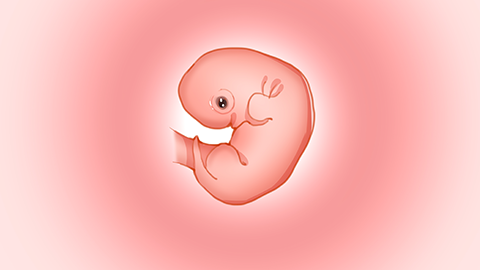
Marginal placenta previa primarily increases the risk of vaginal bleeding during late pregnancy or labor, which warrants careful attention. However, in early pregnancy, as the fetus grows, the placenta usually migrates upward (a process known as “placental migration”). If upward movement occurs, the condition is generally not concerning. For cases of marginal or complete placenta previa, detailed evaluation is required during late pregnancy and prior to delivery, as it may affect the mode of delivery; management should strictly follow the obstetrician’s recommendations.
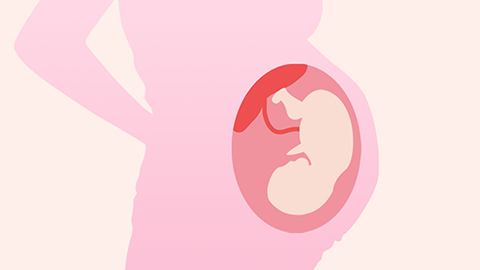
If this finding appears in early pregnancy, light physical activity is acceptable. It is advisable to maintain normal rest patterns and avoid strenuous activities such as running or jumping. Activities that place pressure on the abdomen—such as deep squatting—should also be minimized. Regular prenatal check-ups are essential, and sexual intercourse should be avoided throughout pregnancy. Immediate medical consultation is necessary if vaginal bleeding occurs—especially recurrent or heavy bleeding. We hope this information is helpful to you!


