Why does a child cry and fuss at night?
Jul 20, 2022
Source: Cainiu Health

Dr. Xie Zixing
Introduction
In addition to common external factors—such as an unsuitable sleep environment, excessive excitement before bedtime, or physical discomfort—internal factors in infants can also affect their sleep. For example, younger infants are particularly prone to nighttime crying due to conditions such as intestinal gas, colic, or lactose intolerance.
When a child suddenly cries or fusses during sleep at night without an apparent cause, parents must pay close attention. Such episodes can harm the infant’s health, disrupt sleep quality, and adversely affect overall growth and development. Infants rarely cry without reason; persistent crying almost always signals discomfort or distress.
Sudden, intense crying during sleep is often an indicator of poor sleep quality in infants. Besides common external factors—such as an unsuitable sleep environment, excessive excitement before bedtime, or physical discomfort—internal physiological factors may also significantly impact an infant’s sleep.
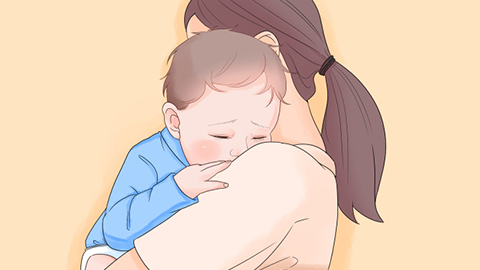
For younger infants—particularly those aged 2–3 months—common causes of nighttime crying include intestinal gas, colic, or lactose intolerance. As infants grow older—typically after five months—teething or rapid brain development may trigger nighttime awakenings and crying; in such cases, gentle soothing measures are usually sufficient. Establishing a consistent day–night circadian rhythm generally depends on both appropriate environmental adjustments and the infant’s physiological maturity.
Frequent nighttime crying poses serious risks to the infant’s well-being and severely compromises sleep quality. Parents should closely monitor their child’s sleep patterns. Once nocturnal crying occurs, identifying its underlying cause—and implementing targeted interventions—is essential.