


The Fastest Method to Reduce Swelling of the Bartholin’s Gland

Vestibular gland swelling reduction typically refers to therapeutic approaches used after the development of a vestibular gland cyst—also known as a Bartholin’s gland cyst. Such cysts arise from obstruction of the ductal opening of the vestibular gland, leading to accumulation of secretions within the glandular cavity. The following methods are commonly employed:

1. Sitz Bath Therapy:
1. Boil an appropriate amount of traditional Chinese herbal medicine with detoxifying, anti-inflammatory, blood-activating, and stasis-resolving properties; strain out the herb residue before use. Alternatively, potassium permanganate solution (diluted at a ratio of 1:5,000) may be used.
2. Cool the prepared solution to approximately 40°C, then pour it into a sitz bath basin until it is one-half to one-third full.
3. Slowly sit in the basin so that the perineal area is fully immersed; maintain this position for 15–20 minutes, adding warm water as needed to maintain temperature.
4. After completing the sitz bath, gently pat the external genitalia dry with a clean towel, wiping front-to-back.
2. Topical Medication Application:
1. Wash hands and external genitalia thoroughly with warm water.
2. Using a sterile cotton swab, apply an appropriate amount of erythromycin ointment gently onto the cyst surface.
3. After application, change into clean, soft undergarments.
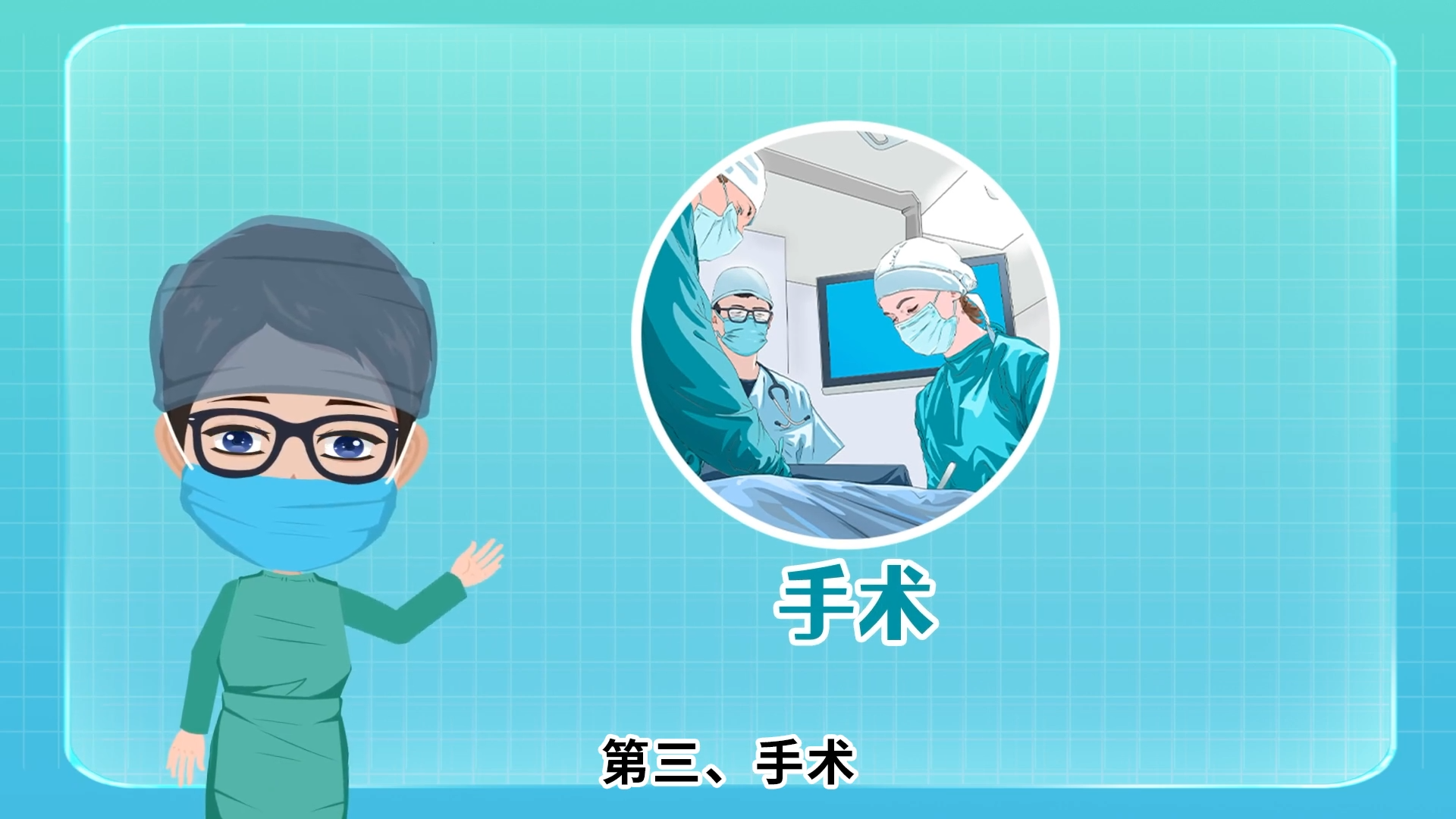
3. Surgical Intervention:
1. Routinely disinfect the external genitalia with iodophor, drape with sterile fenestrated drapes, and administer local infiltration anesthesia using lidocaine.
2. Make an incision at the site of maximal fluctuation of the cyst using either a cold knife or laser; insert a small rubber drainage tube (catheter) through the incision to ensure adequate drainage of purulent material from the cyst.
3. Remove the drainage tube once drainage is complete.
If the abscess is large and complete drainage cannot be achieved promptly, the drainage tube may be left in place temporarily until all purulent material has been adequately drained, after which it is removed.


