How to Treat Scalp Inflammation
Jul 28, 2022
Source: Cainiu Health

Dr. Liu Wan
Introduction
The treatment of scalp inflammation should begin with identifying the underlying cause. If the inflammation is due to seborrheic dermatitis—a condition often closely associated with fungal infection—topical antifungal ointments may be used. If the inflammation results from an allergic reaction, oral antihistamines or other anti-allergic medications can help alleviate the inflammation. During treatment, maintaining a balanced diet is essential; consuming ample fresh vegetables and fruits is recommended.
Scalp inflammation is a highly prevalent dermatological condition. Its potential harm is relatively significant; in severe cases, it may lead to permanent hair loss. Therefore, early detection and prompt, effective treatment are essential.
How Is Scalp Inflammation Treated?
Treatment of scalp inflammation should begin with identifying the underlying cause. If the inflammation stems from seborrheic dermatitis—which is often closely associated with fungal infection—topical antifungal ointments may be used. If the inflammation is allergy-induced, oral antihistamines can help alleviate symptoms. During treatment, maintaining a balanced diet is crucial: consume plenty of fresh vegetables and fruits, but avoid spicy foods. Additionally, minimize sweating, as excessive perspiration can exacerbate dermatitis.
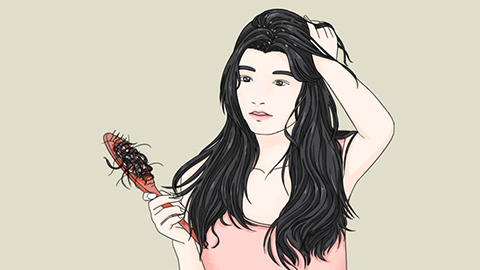
Patients should undergo appropriate diagnostic evaluation and receive targeted treatment based on the specific cause of their scalp inflammation. Most cases result from infections caused by bacteria, fungi, or parasites—often linked to inadequate scalp hygiene, contamination of scalp wounds, or compromised immunity. Primary treatment strategies focus on relieving pruritus (itching) and eliminating pathogens; topical antibiotics may be prescribed per physician guidance. In fungal scalp infections—where fungi invade the scalp and hair—the affected hair should ideally be trimmed short.
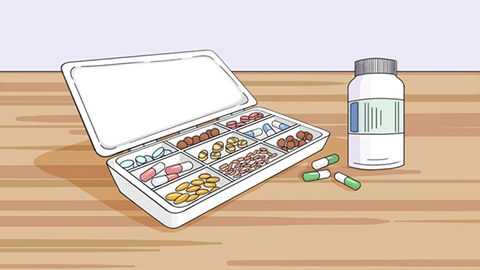
We recommend that patients seek medical attention promptly upon noticing any symptoms and follow their physician’s individualized treatment plan. Self-medication should be avoided, as it may worsen the condition. We hope this information proves helpful.