


How to Get Rid of Acne

Acne is a common skin condition that predominantly affects adolescents. It typically manifests as facial comedones (blackheads and whiteheads), papules, pustules, and other polymorphic skin lesions. Improper management may easily result in scarring, compromising facial aesthetics. It can also lead to post-inflammatory hyperpigmentation or persistent erythema; some individuals develop acne lesions after manually extracting comedones. So, how can acne be effectively treated?
How to Treat Acne
To treat acne effectively, it is essential to exfoliate keratinized cells, reduce inflammation, and eliminate bacteria. Patients should cleanse the skin daily using water or a suitable gentle cleanser to remove excess sebum and surface bacteria. Proper moisturization is crucial—use a mild, non-comedogenic moisturizer. Never squeeze or scratch acne lesions with your hands. Maintain regular bowel movements and avoid staying up late; with consistent care, symptoms will gradually improve.
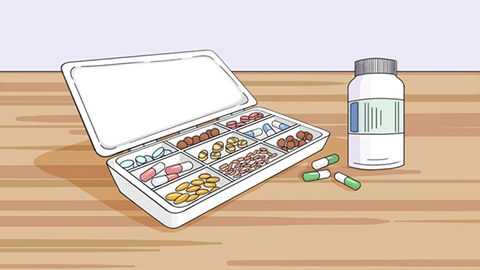
To treat acne, antibacterial and anti-inflammatory approaches are key. Erythromycin ointment helps reduce inflammation and alleviate redness and swelling; however, it must not be used by individuals allergic to erythromycin. Each night before bed, puncture one vitamin E capsule and gently apply its oil directly onto affected acne lesions. Additionally, keep acne-prone areas clean and avoid consuming spicy or irritating foods, which may exacerbate symptoms.
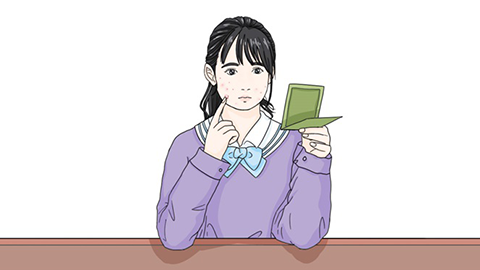
Patients are advised to adopt healthy lifestyle habits, maintain a balanced diet, avoid spicy and irritating foods, and take medications only under the guidance of a healthcare professional. We hope this information proves helpful to you.


