


Can people with kidney yang deficiency consume goji berries?

The kidneys play a vital role in the human body; therefore, any abnormality involving the kidneys requires prompt medical attention—delaying treatment is not advisable. Kidney deficiency (a common condition in Traditional Chinese Medicine) manifests in various forms, each requiring a distinct therapeutic approach. Specifically, kidney deficiency is categorized into kidney yin deficiency and kidney yang deficiency. So, can individuals with kidney yang deficiency consume goji berries (Lycium barbarum)?
Can Individuals with Kidney Yang Deficiency Consume Goji Berries?
In general, individuals with kidney yang deficiency should avoid goji berries. Consumption of goji berries may exacerbate symptoms of kidney yang deficiency because goji berries primarily nourish kidney yin and replenish yin essence. Kidney yang deficiency is characterized predominantly by yang deficiency—not yin deficiency—and thus ingesting goji berries may further aggravate the imbalance. Typical symptoms of kidney yang deficiency include lumbago and weakness in the lower limbs, cold extremities, tinnitus, pallor, fatigue or low energy, and—in women—menstrual irregularities.
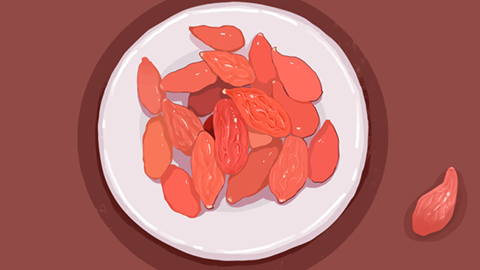
Individuals with kidney yang deficiency should not consume goji berries. Goji berries are a traditional herbal remedy known for nourishing yin, tonifying the kidneys, and improving vision—but they offer no benefit for kidney yang deficiency. They are primarily indicated for conditions such as liver-kidney yin deficiency and premature aging. Clinically, goji berries are used to treat visual impairment, cataracts, weakness and soreness in the lower back and knees, deafness, and loose teeth. They are also commonly prescribed for early-onset graying hair, insomnia with vivid dreams, tidal fever, night sweats, excessive thirst, and diabetes. However, caution is warranted: for patients with kidney yang deficiency, consuming goji berries may worsen their condition.
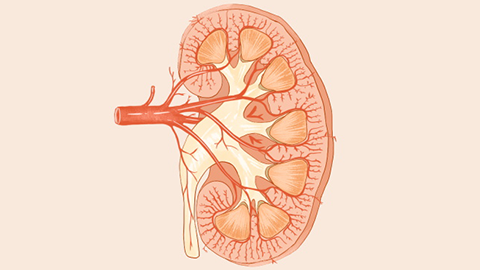
If you notice any physical abnormalities, seek medical evaluation promptly and undergo targeted treatment under professional medical guidance. Avoid self-medicating, as inappropriate use of remedies may aggravate your condition. We hope this information proves helpful to you.


