


What should I do if I develop heat rash?
Jul 28, 2022
Source: Cainiu Health

Dr. Liu Wan
Introduction
To manage heat rash, first improve the environment by ensuring good indoor ventilation; poor ventilation may worsen the condition. Frequent bathing is essential to keep the skin clean and dry. Wear loose-fitting clothing and change and wash clothes regularly. Avoid scratching the affected area to prevent bacterial infection. Topical medications may be used for treatment.
If a person develops heat rash (miliaria), it can cause pruritus (itching) of the skin. There are several types of heat rash—some appear red, while others appear white—and all may lead to significant skin itching. Infants and children are particularly prone to heat rash, though some adults may also develop it. So, what should one do if heat rash appears on the body?
What to Do If Heat Rash Appears on the Body
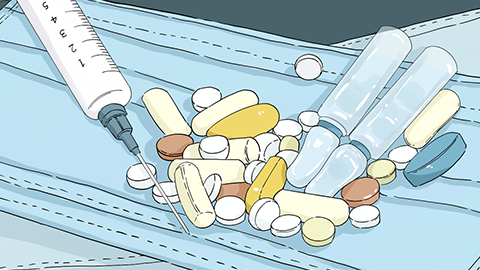
First, improve the environment by ensuring good indoor ventilation; poor air circulation can worsen heat rash. Bathe regularly to keep the skin clean and dry. Wear loose-fitting clothing, and change and wash clothes frequently. Avoid scratching affected areas to prevent bacterial infection. Topical treatments such as calamine lotion and talcum powder may be used—they provide a cooling effect and help relieve itching. If itching is especially severe, consult a physician for appropriate pharmacological treatment. Additionally, maintain a light, bland diet.
Heat rash can be classified into three main types: crystalline (white) miliaria, rubra (red) miliaria, and pustular (purulent) miliaria. Red miliaria typically appears on the arms, neck, and axillae as itchy, erythematous papules. White miliaria presents as small, transparent vesicles that rupture easily and commonly occur on the extremities. Purulent miliaria manifests as pustules and carries a higher risk of secondary infection. Heat rash most commonly occurs during hot summer months, when excessive sweating is common. If sweat is not promptly cleaned away, it can accumulate in skin folds, leading to the development of heat rash.
Patients are advised to frequently cleanse or gently wipe the skin with lukewarm water to maintain dryness, and to ensure adequate indoor ventilation. We hope this information is helpful.


