


Can soaking feet in Chinese chive water treat athlete’s foot?

Athlete’s foot, medically known as tinea pedis, is a fungal skin infection. The primary site of infection is the web spaces between the toes. Most cases of athlete’s foot are contagious and may lead to secondary complications; therefore, understanding its underlying causes is essential for effective prevention. So, can soaking feet in Chinese chive (Allium tuberosum) water treat athlete’s foot?
Can soaking feet in Chinese chive water treat athlete’s foot?
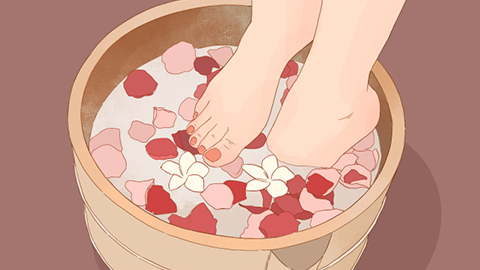
Soaking feet in Chinese chive water may help alleviate athlete’s foot. To prepare it, thoroughly wash fresh Chinese chives and slice them thinly into a basin. Soak both feet and gently scrub the affected areas for approximately 30 minutes. Consistent, long-term use of Chinese chive water soaks may aid in managing athlete’s foot. Patients may also consider alternative remedies. For instance, radish water can help eliminate foot odor: cut half a white radish into thin slices, place them in a pot with an appropriate amount of water, bring to a boil over high heat for three minutes, then simmer over low heat for five minutes. Pour the solution into a basin, allow it to cool, and repeatedly soak and wash the feet to reduce odor. Additionally, antipruritic medications may be used to relieve symptoms of athlete’s foot; however, Western pharmaceuticals must be used strictly under medical supervision. Patients should avoid self-medicating without professional guidance to prevent worsening of the condition.
“Athlete’s foot” is a common lay term. Medically, the corresponding condition is tinea pedis, caused by dermatophyte fungal infection. Since fungi thrive readily in warm, moist environments, the feet—particularly the interdigital clefts between the fourth and fifth toes—are most susceptible to infection. Thus, the most reliable indicator of athlete’s foot is not simply itching or visible skin breakdown, but rather the presence of scaling or whitish, macerated skin in the web spaces between the last two toes.
Patients are advised to maintain a light, bland diet and avoid spicy or irritating foods. Prompt medical consultation is recommended upon noticing any symptoms. We hope this information proves helpful.


