


Can Bactroban treat athlete’s foot?
Jul 28, 2022
Source: Cainiu Health

Dr. Liu Wan
Introduction
Bactroban® only provides symptomatic relief. Athlete’s foot is a fungal infection; if left untreated, it can lead to serious complications. As a fungal infection, athlete’s foot—without proper treatment—can spread to other areas of the body, causing conditions such as tinea manuum (hand fungus), onychomycosis (nail fungus), and tinea cruris (jock itch). Due to the intense pruritus associated with athlete’s foot, repeated scratching often results in eczematous changes.
As summer arrives, individuals suffering from foot odor face increased distress—especially those already dealing with athlete’s foot (tinea pedis), which tends to worsen and become even more pungent during hot, humid weather. Many seek various remedies to treat athlete’s foot, hoping to maintain a positive mood every day. So, does Mupirocin Ointment (Bactroban®) treat athlete’s foot?
Does Mupirocin Ointment (Bactroban®) Treat Athlete’s Foot?
Mupirocin ointment can only provide symptomatic relief—it is not effective against the underlying cause of athlete’s foot. Athlete’s foot is a fungal infection; if left untreated, it poses several risks. As a mycotic condition, untreated athlete’s foot may spread to other body areas, causing infections such as tinea manuum (hand fungus), onychomycosis (nail fungus), or tinea cruris (jock itch). Severe pruritus often leads patients to scratch repeatedly, resulting in eczematous changes that render the condition more persistent and difficult to manage. Scratching can also introduce bacterial infection into the skin—potentially leading to cellulitis, abscess formation, exudation, or even erysipelas. Therefore, prompt treatment of athlete’s foot is essential. In severe cases, complications can significantly increase patient discomfort and suffering.

Treating athlete’s foot is actually straightforward—the key lies in proper daily care. Since athlete’s foot results from fungal infection, it manifests in various clinical forms, including vesicles, maceration, and scaly hyperkeratosis—thus requiring classification-based management. Under medical guidance, topical antifungal creams or ointments are commonly prescribed for treatment. However, if maceration or erosion is present, ointments should be avoided; instead, topical solutions containing hydrochloric acid derivatives may be used. Regarding daily care, it is recommended to change and wash socks daily. Whenever possible, wear well-ventilated footwear—thick, non-breathable shoes and excessive sweating are direct contributors to athlete’s foot.
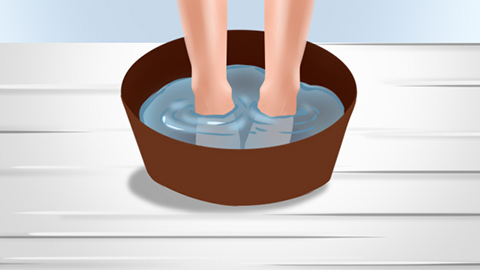
Patients with athlete’s foot must undergo treatment under the supervision of a healthcare professional and maintain rigorous personal hygiene in daily life—including regular foot soaks and adopting healthy lifestyle habits—to prevent disease progression. We hope this information proves helpful to you.


