


Difference Between Waking Up Due to Heat and Night Sweats

Sweating is a normal physiological manifestation of human metabolism. Increased sweating helps eliminate toxins from the body and offers numerous health benefits, including cosmetic effects—such as improving skin appearance—and therapeutic effects for certain conditions. However, excessive sweating is not always beneficial. For many individuals, excessive sweating is not a normal physiological response but rather “spontaneous sweating” (zihans) or “night sweats” (daohan).
Differences Between Waking Up Due to Heat and Night Sweats
The primary distinctions between waking up due to heat and night sweats lie in two aspects: timing of sweating and associated symptomatology. Although both represent abnormal sweating patterns, they reflect different underlying pathologies and thus require individualized diagnosis and treatment. Spontaneous sweating occurs predominantly during daytime hours and is unrelated to vigorous physical activity, fever, or ambient temperature. In contrast, night sweats occur exclusively during sleep—often causing profuse sweating while asleep, which ceases promptly upon awakening. Additionally, the clinical manifestations differ. Patients with spontaneous sweating typically exhibit symptoms of Yang deficiency, such as aversion to wind and cold, and susceptibility to common colds. Those experiencing night sweats commonly present signs of Yin deficiency with internal heat, including facial flushes, dry mouth, and frequent insomnia.
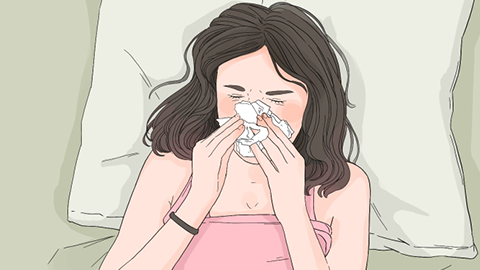
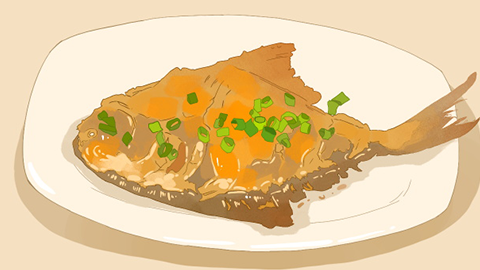
Most patients with spontaneous sweating suffer from Qi deficiency. Although they often feel physically weak, regular physical exercise remains essential to strengthen resistance and alleviate symptoms. Dietary management is also crucial: patients should consume nutrient-rich foods such as chicken, fish, and seasonal vegetables to ensure balanced nutrition—supporting recovery from spontaneous sweating. For those experiencing night sweats, adjusting room humidity and temperature is advisable.
Both waking up due to heat and night sweats indicate underlying pathological conditions requiring timely medical intervention. Following accurate diagnosis, targeted treatment can be initiated. Traditional Chinese herbal formulas—such as Yiqi Buzhong Wan (Tonify Qi and Strengthen the Spleen Pill)—are highly effective options, helping to regulate multiple bodily functions. We hope this information proves helpful to you.


