


Symptoms and Treatment of Night Sweats

Night sweats (or “thief sweats”) constitute a clinical condition in Traditional Chinese Medicine (TCM), typically characterized by excessive sweating during sleep, which often awakens the patient. Night sweats can arise from numerous causes—including underlying diseases, psychological factors, and environmental influences—leading to varying degrees of severity and directly impairing the patient’s daily sleep quality. So, what are the symptoms and treatment approaches for night sweats?
Symptoms and Treatment of Night Sweats
The hallmark symptom of night sweats is profuse, abnormal sweating that occurs exclusively during sleep and ceases promptly upon waking—a pattern termed “night sweats” in TCM. Several herbal remedies and other therapeutic modalities can effectively treat this condition. Commonly prescribed TCM formulas include Yu Ping Feng San (Jade Windscreen Powder), Liu Wei Di Huang Wan (Rehmannia Six Formula), Qi Ju Di Huang Wan (Lycium & Chrysanthemum Rehmannia Pill), Dang Gui Liu Huang Tang (Angelica and Six-Yellow Decoction), and Wu Sha San (Black Sand Powder). Herbal decoctions and patent medicines may help regulate night sweats; however, treatment must be individualized based on syndrome differentiation (pattern identification) and rational prescription by a qualified TCM practitioner. Lifestyle adjustments also serve as valuable adjunctive therapy: maintaining regular sleep schedules, ensuring high-quality sleep, avoiding late-night activities, refraining from excessively cold or spicy foods, stabilizing emotional states, and effectively managing mental stress.
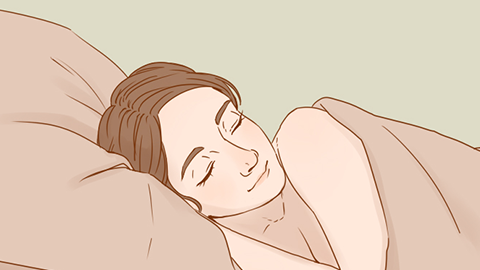
After experiencing night sweats, patients should immediately change into dry clothing to prevent skin irritation and secondary complications. Indoor temperature and humidity should also be carefully regulated. Individuals with a “blood-heat” constitution are advised to reside in cool, well-ventilated environments. When night sweats result from an underlying disease, treatment must target the primary condition. For physiologic (non-pathologic) night sweats, patients may benefit from taking a warm bath before bedtime and implementing dietary modifications.
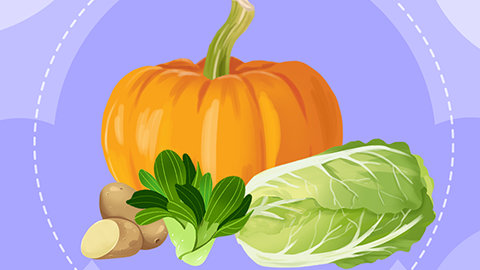
In daily life, attention to diet, physical self-care, and cultivation of healthy habits are essential. We hope this information proves helpful to you.


