


Hazards of Bilateral Carotid Artery Atherosclerosis

It is well known that atherosclerosis is a serious cardiovascular and cerebrovascular disease. If left untreated, it can easily lead to coronary heart disease, stroke, myocardial infarction, and other conditions. So, what are the risks associated with bilateral carotid artery atherosclerosis?
Risks of Bilateral Carotid Artery Atherosclerosis
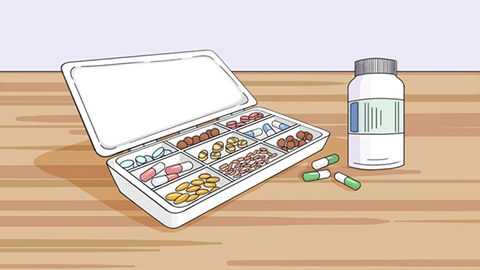
Bilateral carotid artery atherosclerosis typically indicates unhealthy lifestyle habits in middle-aged and elderly patients—such as hypertension, diabetes, hyperlipidemia, hyperhomocysteinemia, smoking, and excessive alcohol consumption. Prolonged bilateral carotid atherosclerosis may result in carotid artery stenosis and reduced blood flow, leading to insufficient cerebral perfusion. Moreover, if an atherosclerotic plaque detaches, it poses a risk of ischemic stroke. Therefore, upon diagnosis of carotid artery atherosclerosis, it is recommended to take atorvastatin calcium or rosuvastatin calcium to lower lipid levels and stabilize plaques by protecting vascular endothelium. Concurrently, it is essential to address modifiable risk factors: strictly control blood pressure, lipid levels, blood glucose, and plasma homocysteine concentration, and avoid smoking to minimize further vascular damage.
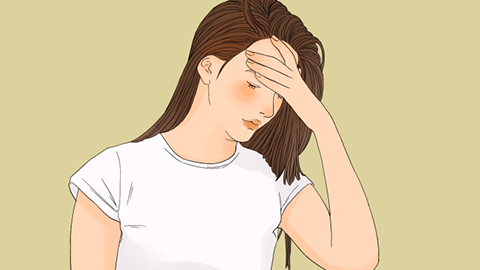
Bilateral carotid artery atherosclerosis may not produce any clinical symptoms, depending primarily on its severity. With advancing age, carotid atherosclerosis commonly develops as part of age-related degenerative changes. However, when bilateral carotid atherosclerosis progresses to significant stenosis or occlusion, it can severely compromise health—causing cerebral hypoperfusion, headache, dizziness, limb numbness or weakness, paralysis, and speech impairment.
Patients must adopt healthy lifestyle habits, including a low-salt, low-fat diet and regular moderate exercise. We hope this information is helpful to you.


